Choosing the right underwater camera is not as simple as comparing specs. In this guide, we break down the best underwater cameras, how they actually perform below the surface, and what to look for before you choose your setup.
Underwater cameras have evolved quickly in recent years. From simple waterproof compacts to advanced action cameras and live viewing systems, there are now more options than ever. However, what works on paper does not always translate underwater, where light, visibility, and connectivity behave very differently.
This guide covers the main types of underwater cameras, the key factors that matter in real world conditions, and how to choose a setup that delivers reliable results below the surface. If you want to explore complete solutions, you can also browse our underwater camera kits or see our recommended cameras for Seavu systems.
With several types of underwater cameras available, it helps to see how they compare at a glance. The table below outlines the main options, along with their strengths and limitations.
| Camera Type | Best For | Strengths | Live View |
|---|---|---|---|
| Action Cameras | Versatile underwater use | Strong image quality, compact, flexible | No |
| Waterproof Compact Cameras | Casual use | Simple, easy to use | No |
| Professional Dive Cameras | High end filming | Excellent image quality, advanced control | No |
| Fishing / Inspection Cameras | Task specific viewing | Practical, purpose built | Sometimes, depending on system |
| Live Underwater Viewing Systems | Real time viewing and control | Live view, positioning, camera control | Yes |
Many underwater camera reviews focus on specs like resolution, frame rate, and sensor size. While these are important, they don’t reflect how cameras actually perform once they are underwater.
In real-world conditions:
This creates a common problem. Even high-quality underwater cameras are often used without being able to see what they are capturing in real time.
This means most underwater cameras are effectively used blind once they are submerged.
As a result:
These are the factors that have the biggest impact underwater, yet they are rarely covered in standard camera comparisons.
The cameras and setups in this guide are based on real-world underwater use, not just manufacturer specifications.
An underwater camera is any camera designed to capture images or video below the surface. Some are waterproof on their own, while others require a dedicated housing. Today, many of the most capable underwater setups are built around action cameras because they combine strong image quality, compact size, durability, and a wide accessory ecosystem.
That said, there is no single best option for everyone. Different underwater cameras suit different priorities, whether that is simplicity, image quality, depth capability, or live viewing.
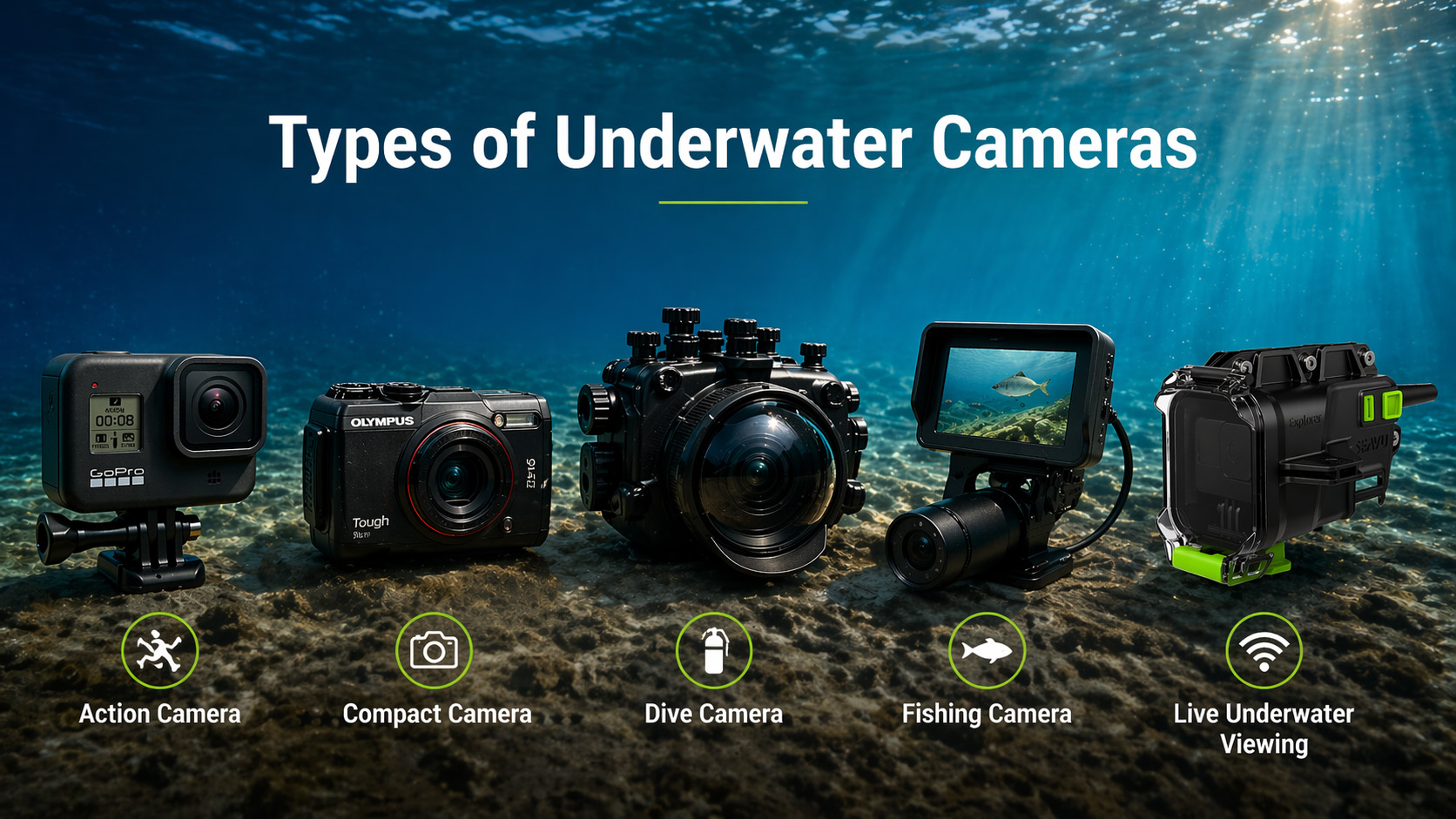
There are several types of underwater cameras, each designed for different applications and conditions below the surface.
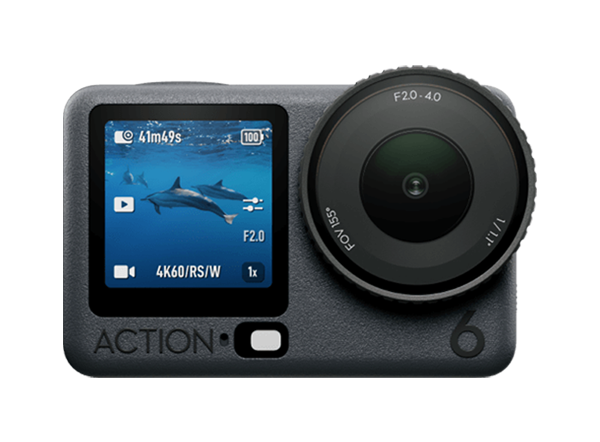
Action cameras are the most popular choice for underwater use. Models like the GoPro HERO13 Black and DJI Osmo Action 6 offer strong video quality, wide field of view, compact form, and flexible mounting options. They are highly versatile and work well across many different underwater setups.
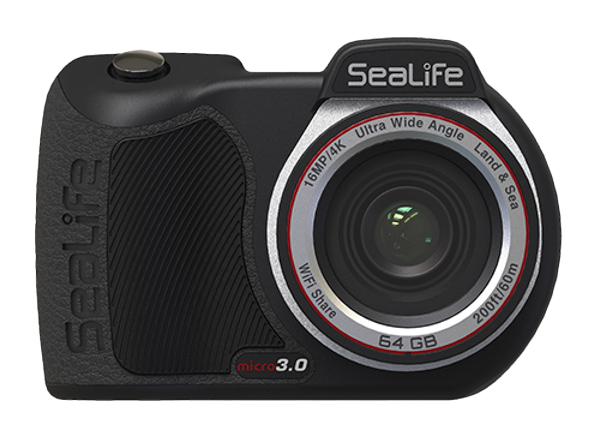
These all in one cameras are designed for casual underwater use. They are easy to operate and usually need less set up, but they tend to offer less flexibility and lower performance than modern action cameras.
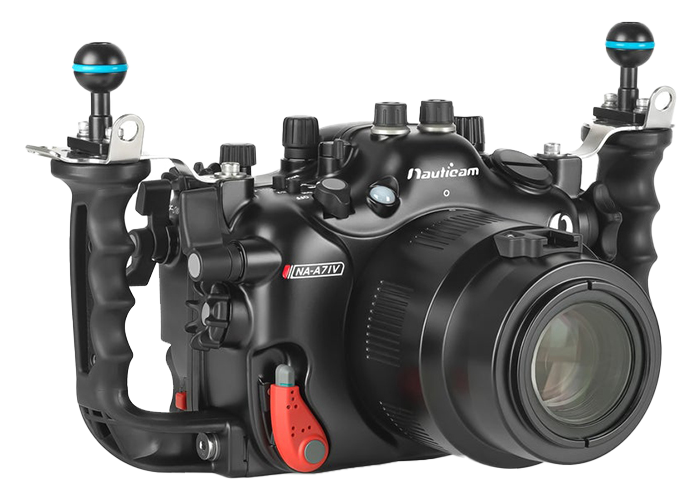
High end underwater photography systems are often used by divers and filmmakers who need maximum image quality. These setups can be excellent, but they also tend to be more expensive, bulkier, and more complex.
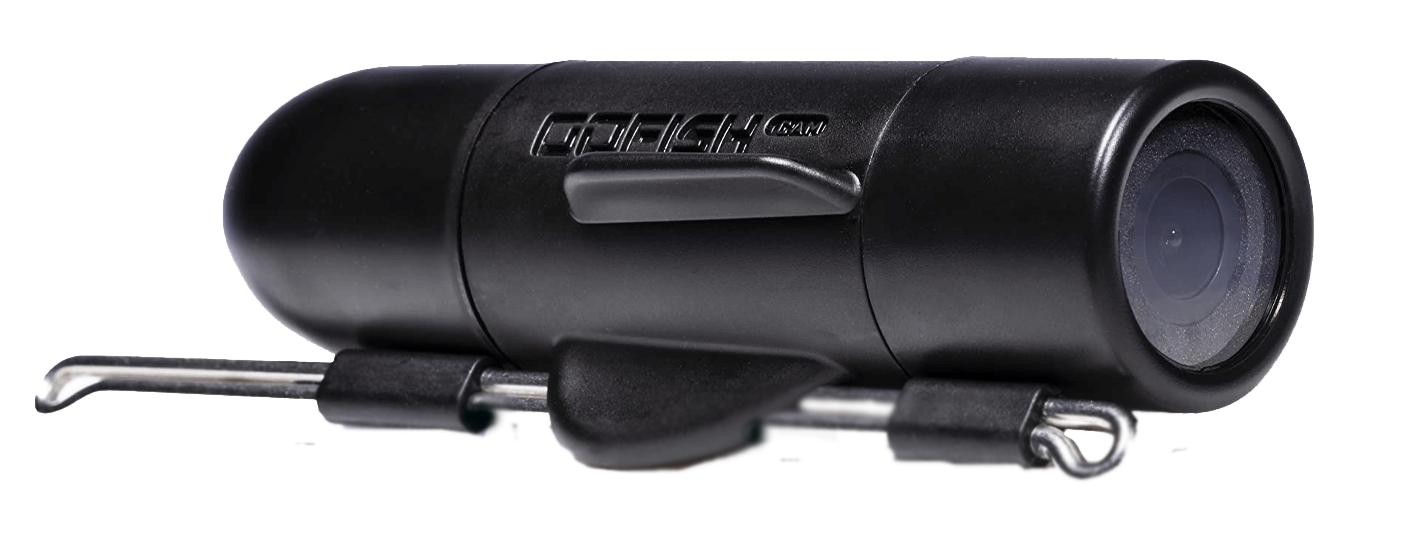
These are purpose built systems designed around specific applications. Many include their own screen or viewing unit. They can be practical, but image quality and flexibility are often more limited than what you can get from a quality action camera setup.
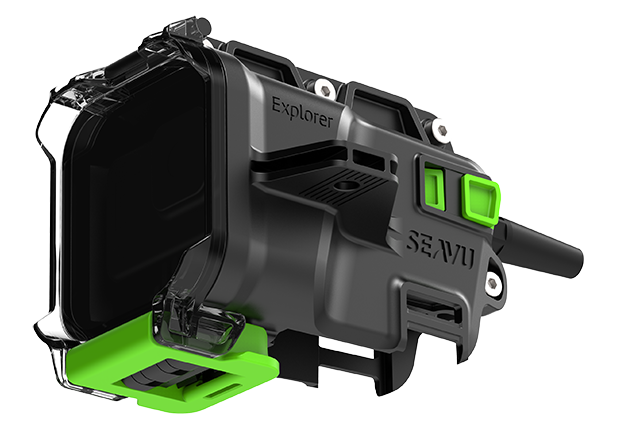
This is a different category altogether. Instead of only recording footage, live underwater systems are designed to let you see what is happening in real time. If that is the goal, it is worth understanding how a live underwater viewing system works and how it differs from a standard standalone camera.
Underwater conditions can change camera performance dramatically. Light fades quickly, colours shift, contrast drops, and visibility can vary from one location to the next. Movement is also harder to stabilise, especially when the camera is suspended, drifting, or being towed.
This is why real world underwater performance matters so much. A camera that performs well above water may not always deliver the same experience once depth, turbidity, and low light are involved.
| Buying Factor | Why It Matters Underwater |
|---|---|
| Low light performance | Light drops quickly underwater, especially at depth |
| Depth rating | Cameras and housings have different safe operating depths |
| Battery life | Long sessions and recording reduce runtime quickly |
| Field of view | Wider lenses help capture more in limited visibility |
| Mounting options | Camera position affects what you actually see |
| Live viewing | Lets you frame and adjust in real time instead of guessing |
Low light performance is one of the most important factors underwater. Clearer shadows, better colour handling, and stronger sensor performance can make a major difference in the final result.
Always check the usable depth with and without a housing. Some cameras are waterproof out of the box to shallow depths, while others require a protective housing for deeper use.
Battery performance matters more than many buyers expect. Long sessions, cold water, and continuous recording can reduce runtime quickly.
A wider field of view helps capture more of the underwater environment, which can be especially useful when visibility is limited or the subject moves unpredictably.
Simple controls, a reliable app, and a clean workflow make set up far easier. This matters before deployment and also when working with a complete system rather than just a standalone camera.
This is one of the biggest differences between camera types. Most underwater cameras are designed to capture footage, not show it live while they are submerged. If seeing the footage in real time matters, you need to evaluate the full setup, not just the camera body.
Without live viewing, you are relying on guesswork rather than real feedback.
One of the biggest practical limits with standard underwater cameras is connectivity. Wireless features that work well in air are far less effective once a camera is submerged. For buyers expecting live preview or wireless control underwater, this is a major point to understand early.
In practical terms, that means many cameras can record excellent footage underwater, but live preview and app control become much harder once the camera is below the surface. That is the gap many buyers only discover after purchase.
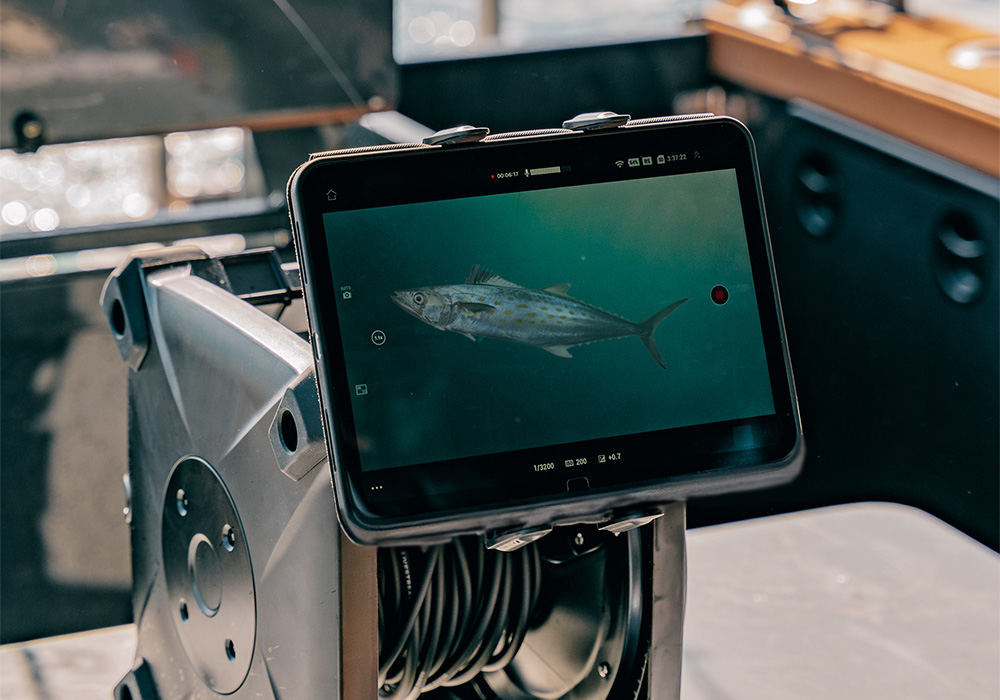
Once you understand the limitations of standard underwater cameras, the importance of live viewing becomes much clearer.
Without live viewing:
In many cases, this leads to missed shots, poor angles, or unusable footage.
With live viewing, the experience is completely different.
You can:
This shift turns underwater filming and observation from trial and error into a controlled process.
Rather than relying on assumptions, you can respond to what is actually happening below the surface.
This is where a complete underwater camera system becomes important. Systems like the Seeker Marine Ki and Explorer Adventure Kit are designed to give you that real time visibility by transmitting your camera’s signal to your device above the surface.
If you want to understand how this works in more detail, you can also explore how a live underwater camera system works and how it differs from a standard standalone camera.
There is no single best underwater camera for every situation. Action cameras remain one of the best all round options because they balance image quality, flexibility, size, and accessory support. Waterproof compacts can suit casual use, while professional systems suit specialised work.
For buyers who want more than simple recording, it often makes sense to think in terms of an underwater camera setup rather than just a camera body. In many cases, combining a strong action camera with a live viewing system gives the most capable result.
The best underwater camera depends on what matters most to you. For some people that will be simplicity. For others it will be image quality, depth, or control. The key is understanding that underwater performance is shaped by the full setup, not just the camera spec sheet.
If you want to go further, explore our broader underwater camera kits, learn how an underwater WiFi camera system works, or compare the best cameras for Seavu systems.
When it comes to capturing live underwater footage, the camera you choose makes all the difference. Whether you’re fishing, filming, exploring marine life, or conducting underwater inspections, the ability to stream in real-time to your phone or display is crucial. With the rise of systems like Seavu, which enable action cameras to livestream underwater, two contenders stand out: the DJI Action 5 Pro and the GoPro HERO13 Black.
In this article, we compare how these cameras perform in underwater livestreaming, with a focus on two key applications:
Seavu’s Seeker and Explorer Kits allow you to livestream footage from your action camera directly to your phone or tablet using the camera’s app. This setup is ideal for fishing, exploring, marine education, and inspections where real-time visibility is essential.
👍 Verdict:
The DJI Action 5 Pro offers the most stable connection and the best app experience for mobile underwater livestreaming with Seavu kits. Its low-light performance is especially useful when filming deeper or in cloudy conditions.
👍 Verdict:
The GoPro HERO13 is solid, especially with its improved hardware, but is let down slightly by its app reliability. It works well with Seavu, but DJI is the better mobile-streaming option.
The Seavu Explorer+ Pro Kit is the world’s first underwater system to use DisplayPort over USB-C for direct, uncompressed video streaming and power delivery — allowing seamless connection to TVs, monitors, and computers.
Currently, only the DJI Action 5 Pro supports this feature natively, but future action cameras are expected to follow.
👍 Verdict:
The DJI Action 5 Pro is currently the only camera on the market that supports this setup. It delivers exceptional quality, stable power, and unmatched ease of integration with Seavu’s Explorer+ Pro Kit.
At this time, the GoPro HERO13 does not support DisplayPort output over USB-C, making it incompatible with Seavu’s Explorer+ Pro Kit.
While GoPro offers alternatives like webcam mode or HDMI output via the Media Mod, these options come with trade-offs. To achieve both video output and continuous power, you’ll need to run two separate cables — one for HDMI and one for USB-C power — which makes the setup bulkier and more complex.
In contrast, the DJI Action 5 Pro delivers both uncompressed video and power through a single USB-C connection using DisplayPort, offering a streamlined and efficient setup.
🚫 Verdict:
For DisplayPort-based livestreaming with the Seavu Explorer+ Pro Kit, the GoPro HERO13 is not compatible. Until GoPro enables DisplayPort output, the DJI Action 5 Pro remains the only choice.
| Feature | DJI Action 5 Pro | GoPro HERO13 Black |
|---|---|---|
| Mobile App Livestreaming | ✅ Excellent | ✅ Excellent |
| App Experience | ✅ Very user-friendly | ✅ Very good |
| Low-Light Underwater Footage | ✅ Excellent | ✅ Excellent |
| DisplayPort Streaming (TV/PC) | ✅ Fully Compatible | ❌ Not Supported |
| Power While Streaming | ✅ Supported | ❌ Not Compatible |
Both cameras offer exceptional mobile livestreaming performance when used with Seavu’s Seeker or Explorer kits. The GoPro HERO13 delivers crisp footage, strong connectivity, and excellent low-light performance — making it a reliable option for most underwater users.
However, the DJI Action 5 Pro edges ahead for a few key reasons:
If you’re primarily using Seavu to stream to your phone or tablet, both cameras are top-tier. But if you’re also looking to stream to a TV, monitor, or computer, the DJI Action 5 Pro is the clear winner for now.
Seavu Seeker Starter Kit – Stream from DJI or GoPro to your phone
Seavu Explorer Adventure Kit – Stabilised housing for live mobile streaming
Seavu Explorer+ Pro Kit – Direct video output to displays with DJI Action 5 Pro
Ready to dive into real-time underwater viewing? Explore Seavu Kits →
Exploring the underwater world is an exciting adventure, and capturing those moments requires the right camera. In 2024, the best underwater cameras offer stunning resolution, durability, and unique features that cater to both amateur and professional divers. This article will focus on the top contenders: GoPro and DJI, and introduce Seavu as a revolutionary way to view underwater footage in real-time and capture amazing moments.
1. GoPro HERO12 Black
The GoPro HERO12 Black is a top choice for underwater photography and videography enthusiasts. Known for its ruggedness and high-quality output, the HERO12 Black offers:
Why Choose GoPro HERO12 Black?
The HERO12 Black is ideal for capturing every detail of your underwater adventure with its impressive resolution and robust build. Its intuitive interface and wide range of accessories make it a versatile tool for all types of aquatic activities.
2. DJI Osmo Action 4
DJI’s Osmo Action 4 is another excellent choice for underwater exploration. Renowned for its innovative features and user-friendly design, the Osmo Action 4 provides:
Why Choose DJI Osmo Action 4?
The Osmo Action 4 is perfect for those who need a reliable and high-performing camera. Its dual screens make it easy to capture the perfect shot, whether you’re in front of or behind the lens. The advanced stabilisation technology ensures your footage remains clear and shake-free.
While GoPro and DJI cameras excel in capturing high-quality underwater footage, Seavu takes it a step further by enabling you to connect your action camera to your mobile phone while the camera is underwater.
Seavu: The Future of Underwater Connectivity
Seavu is a unique system that connects to your action camera, such as GoPro or DJI, and allows you to view live footage in real-time on your phone. It features a receiver that picks up the wifi and bluetooth signals from the action camera and transmits them via a cable to a transmitter on the surface. This setup allows you to see and capture amazing underwater footage as it happens.
Features of Seavu:
Why Use Seavu?
Seavu enhances your underwater exploration by allowing you to see what your camera sees in real-time. This makes it an excellent tool for divers, marine biologists, and content creators who need to monitor and capture underwater footage accurately. Whether you’re exploring coral reefs, documenting marine life, or simply capturing breathtaking underwater scenes, Seavu ensures you don’t miss a moment.
When choosing the best underwater camera, GoPro and DJI stand out for their exceptional quality, durability, and innovative features. The GoPro HERO12 Black and DJI Osmo Action 4 are both excellent choices for capturing stunning underwater footage. Additionally, integrating Seavu into your setup allows you to view and capture your adventures in real-time, providing a dynamic way to ensure you get the best shots. With these tools at your disposal, you can confidently dive into your underwater explorations, knowing you have the best technology to capture and enjoy every moment.
Check out our Seavu kits now and experience the future of underwater exploration. Dive deeper, see clearer, and capture every amazing moment.
Explore our range of Seavu kits here and transform the way you capture underwater memories today!
Diving into the world of action cameras, DJI’s Osmo Action 4 certainly makes a splash. After spending quality time with this innovative device, we’re eager to share our findings.
The 1/1.3″ image sensor ensures that every shot is rich and detailed, especially in challenging lighting conditions, like the ones encountered underwater.
Extended recording sessions are a breeze with its long-lasting battery, and with the integrated GPS, tracing your adventures has never been easier.
With 4K/120fps mode and a 155º ultra-wide FOV, every frame is a canvas. Plus, the 10-bit D-Log M ensures a seamless post-production experience.
Footage remains stable, whether you’re racing downhill or vlogging your daily routines.
One of the standout features is its full compatibility with Seavu. Not only can you record mesmerizing underwater scenes, but you can also livestream these moments. This is a game-changer for divers, marine enthusiasts, or anyone keen on sharing real-time underwater experiences.
This advanced feature ensures rich colors and makes the editing process intuitive and efficient.
Your footage, regardless of the scenario, remains smooth, thanks to this stabilization marvel.
The larger image sensor magnifies the camera’s underwater low-light capabilities, offering crisp visuals even in the dim aquatic surroundings.
Be it above land or under water, the Osmo Action 4 consistently shines in capturing realistic imageries.
They infuse a cinematic touch to the visuals, though they do necessitate careful handling during intense motion.
This feature is a treasure trove for those looking to add drama to their clips, especially on social platforms.
For those chronicling their journeys, this feature not only captures the visuals but also the path they tread.
With the ever-evolving landscape of action cameras, the DJI Osmo Action 4 is not just another addition but a formidable contender. Whether you’re diving into the depths of the ocean or hiking up a mountain, it’s designed to be your reliable companion, ensuring every memory is captured in its full glory.
Get underwater livestream with your DJI Action 4 and Seavu. Check out our Seavu Underwater Camera Kits.


Typically replies within an hour
I will be back soon
Hey there 👋,
how can I help?