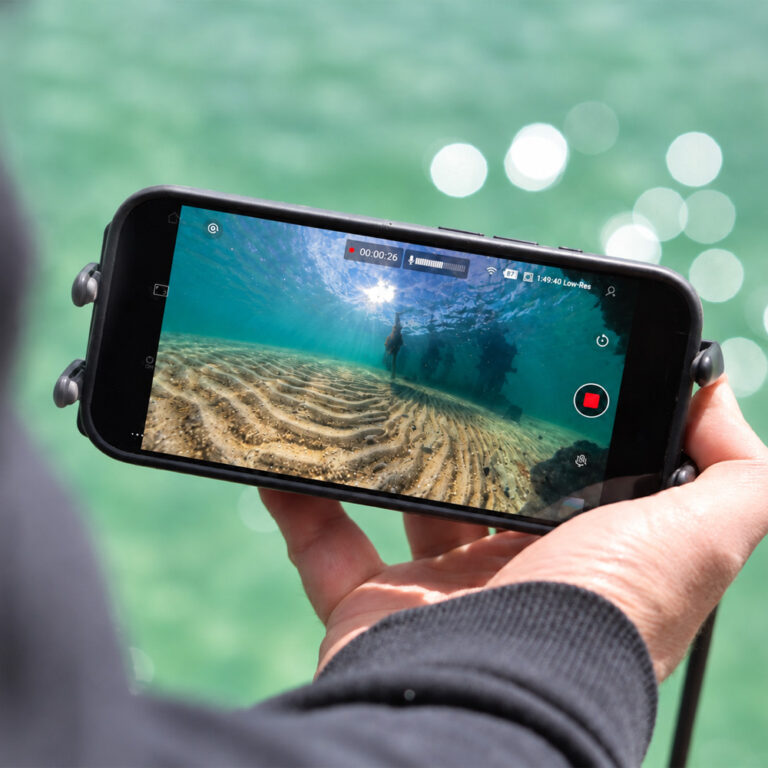
How to Choose the Right Underwater Camera and Understand What Actually Works Below the Surface
Choosing the right underwater camera is not as simple as comparing specs. In this guide, we break down the best underwater cameras, how they actually perform below the surface, and what to look for before you choose your setup.
Underwater cameras have evolved quickly in recent years. From simple waterproof compacts to advanced action cameras and live viewing systems, there are now more options than ever. However, what works on paper does not always translate underwater, where light, visibility, and connectivity behave very differently.
This guide covers the main types of underwater cameras, the key factors that matter in real world conditions, and how to choose a setup that delivers reliable results below the surface. If you want to explore complete solutions, you can also browse our underwater camera kits or see our recommended cameras for Seavu systems.
Comparing Underwater Camera Types
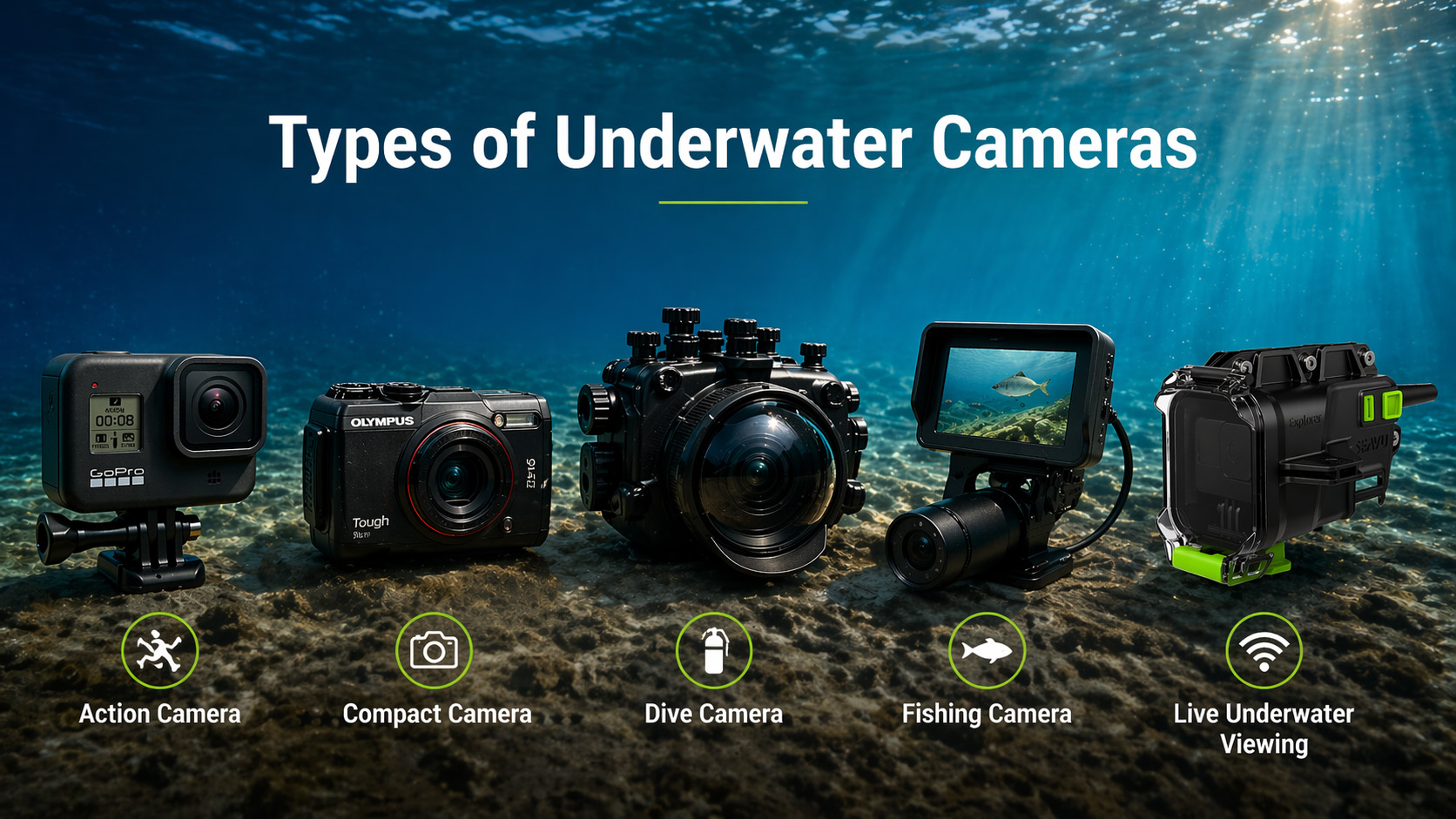
With several types of underwater cameras available, it helps to see how they compare at a glance. The table below outlines the main options, along with their strengths and limitations.
| Camera Type | Best For | Strengths | Live View |
|---|---|---|---|
| Action Cameras | Versatile underwater use | Strong image quality, compact, flexible | No |
| Waterproof Compact Cameras | Casual use | Simple, easy to use | No |
| Professional Dive Cameras | High end filming | Excellent image quality, advanced control | No |
| Fishing / Inspection Cameras | Task specific viewing | Practical, purpose built | Sometimes, depending on system |
| Live Underwater Viewing Systems | Real time viewing and control | Live view, positioning, camera control | Yes |
What Most Underwater Camera Reviews Miss
Many underwater camera reviews focus on specs like resolution, frame rate, and sensor size. While these are important, they don’t reflect how cameras actually perform once they are underwater.
In real-world conditions:
- Light fades quickly, especially at depth
- Colours shift and contrast drops
- Visibility can change depending on water conditions
- Wireless signals like WiFi and Bluetooth stop working below the surface
This creates a common problem. Even high-quality underwater cameras are often used without being able to see what they are capturing in real time.
This means most underwater cameras are effectively used blind once they are submerged.
As a result:
- Framing becomes guesswork
- Positioning takes trial and error
- Footage is only reviewed after retrieval
These are the factors that have the biggest impact underwater, yet they are rarely covered in standard camera comparisons.
The cameras and setups in this guide are based on real-world underwater use, not just manufacturer specifications.
What Is an Underwater Camera?
An underwater camera is any camera designed to capture images or video below the surface. Some are waterproof on their own, while others require a dedicated housing. Today, many of the most capable underwater setups are built around action cameras because they combine strong image quality, compact size, durability, and a wide accessory ecosystem.
That said, there is no single best option for everyone. Different underwater cameras suit different priorities, whether that is simplicity, image quality, depth capability, or live viewing.
Main Types of Underwater Cameras Explained
There are several types of underwater cameras, each designed for different applications and conditions below the surface.
Action Cameras
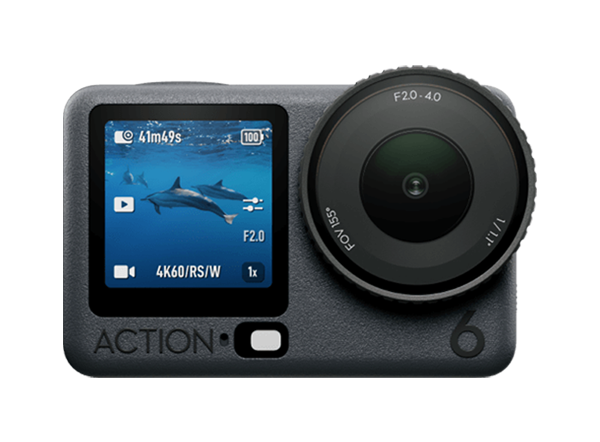
Action cameras are the most popular choice for underwater use. Models like the GoPro HERO13 Black and DJI Osmo Action 6 offer strong video quality, wide field of view, compact form, and flexible mounting options. They are highly versatile and work well across many different underwater setups.
Waterproof Compact Cameras
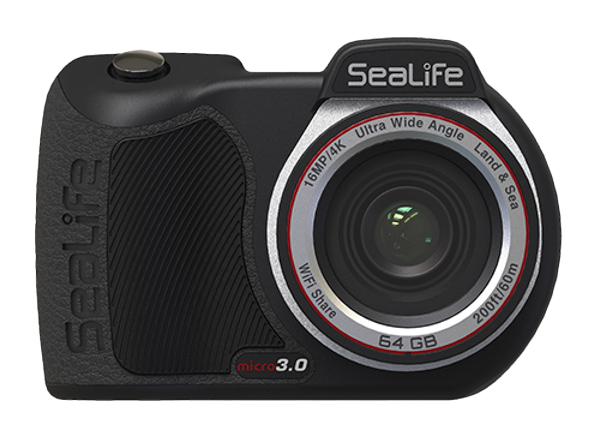
These all in one cameras are designed for casual underwater use. They are easy to operate and usually need less set up, but they tend to offer less flexibility and lower performance than modern action cameras.
Professional Dive Cameras
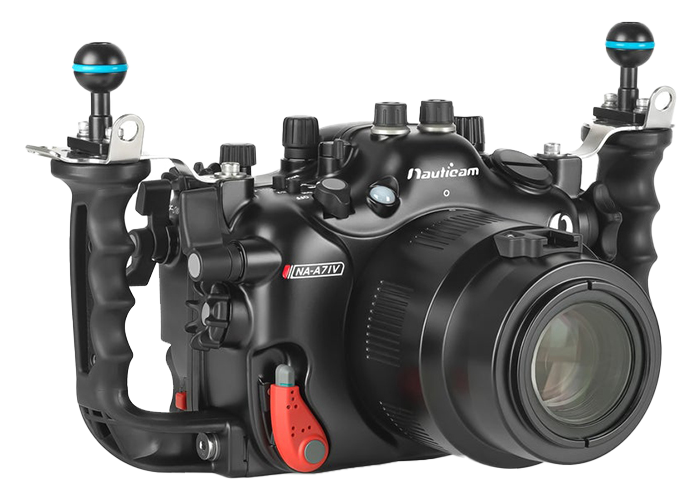
High end underwater photography systems are often used by divers and filmmakers who need maximum image quality. These setups can be excellent, but they also tend to be more expensive, bulkier, and more complex.
Fishing and Inspection Cameras
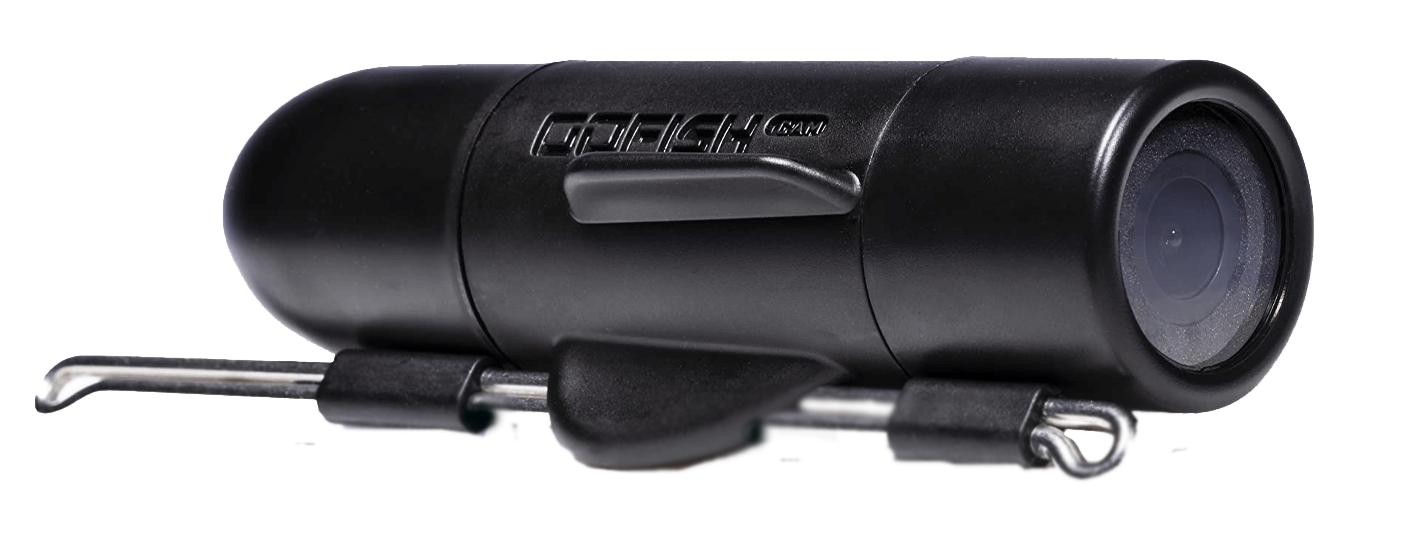
These are purpose built systems designed around specific applications. Many include their own screen or viewing unit. They can be practical, but image quality and flexibility are often more limited than what you can get from a quality action camera setup.
Live Underwater Camera Systems
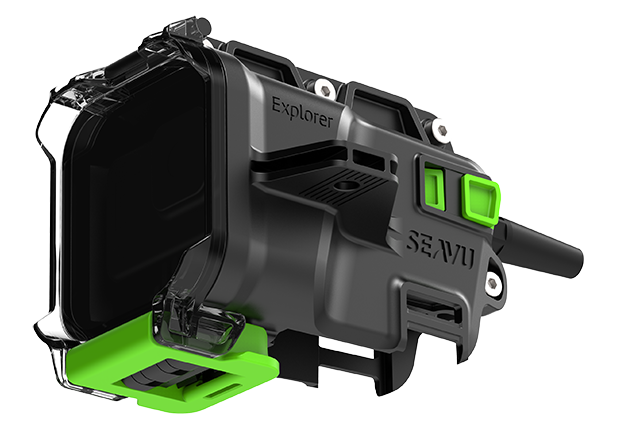
This is a different category altogether. Instead of only recording footage, live underwater systems are designed to let you see what is happening in real time. If that is the goal, it is worth understanding how a live underwater viewing system works and how it differs from a standard standalone camera.
How Underwater Conditions Change Camera Performance
Underwater conditions can change camera performance dramatically. Light fades quickly, colours shift, contrast drops, and visibility can vary from one location to the next. Movement is also harder to stabilise, especially when the camera is suspended, drifting, or being towed.
This is why real world underwater performance matters so much. A camera that performs well above water may not always deliver the same experience once depth, turbidity, and low light are involved.
What to Look for in an Underwater Camera
| Buying Factor | Why It Matters Underwater |
|---|---|
| Low light performance | Light drops quickly underwater, especially at depth |
| Depth rating | Cameras and housings have different safe operating depths |
| Battery life | Long sessions and recording reduce runtime quickly |
| Field of view | Wider lenses help capture more in limited visibility |
| Mounting options | Camera position affects what you actually see |
| Live viewing | Lets you frame and adjust in real time instead of guessing |
Image Quality and Low Light Performance
Low light performance is one of the most important factors underwater. Clearer shadows, better colour handling, and stronger sensor performance can make a major difference in the final result.
Depth Rating
Always check the usable depth with and without a housing. Some cameras are waterproof out of the box to shallow depths, while others require a protective housing for deeper use.
Battery Life
Battery performance matters more than many buyers expect. Long sessions, cold water, and continuous recording can reduce runtime quickly.
Field of View
A wider field of view helps capture more of the underwater environment, which can be especially useful when visibility is limited or the subject moves unpredictably.
Ease of Use
Simple controls, a reliable app, and a clean workflow make set up far easier. This matters before deployment and also when working with a complete system rather than just a standalone camera.
Live Viewing Capability
This is one of the biggest differences between camera types. Most underwater cameras are designed to capture footage, not show it live while they are submerged. If seeing the footage in real time matters, you need to evaluate the full setup, not just the camera body.
Without live viewing, you are relying on guesswork rather than real feedback.
The Limitation of Standard Underwater Cameras
One of the biggest practical limits with standard underwater cameras is connectivity. Wireless features that work well in air are far less effective once a camera is submerged. For buyers expecting live preview or wireless control underwater, this is a major point to understand early.
In practical terms, that means many cameras can record excellent footage underwater, but live preview and app control become much harder once the camera is below the surface. That is the gap many buyers only discover after purchase.
Why Live Viewing Changes the Way Underwater Cameras Are Used
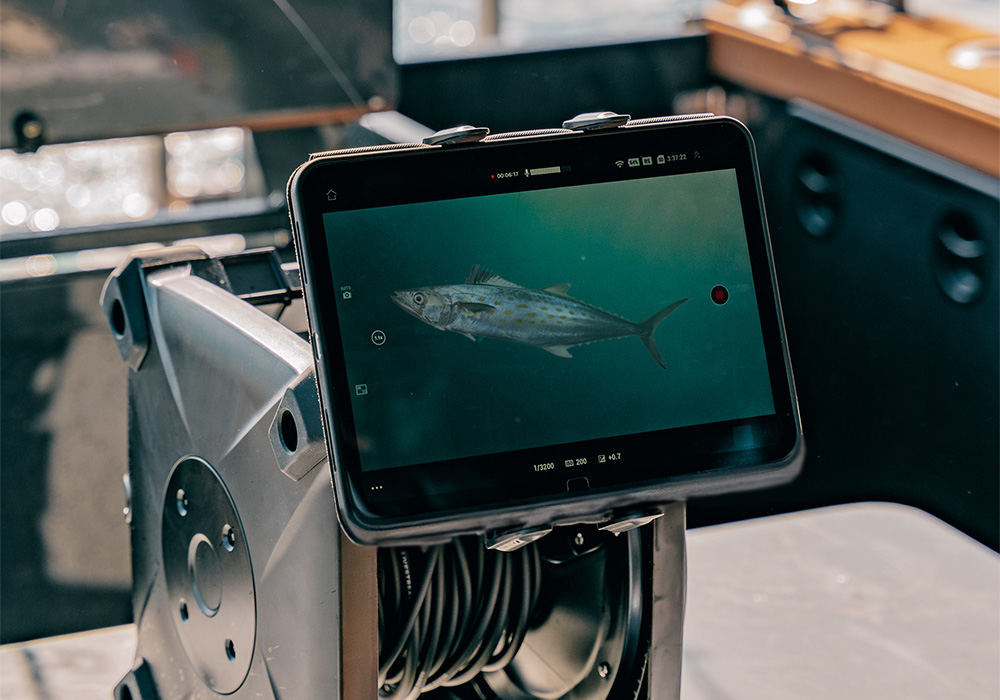
Once you understand the limitations of standard underwater cameras, the importance of live viewing becomes much clearer.
Without live viewing:
- You don’t know exactly what the camera is capturing
- Framing and positioning rely on guesswork
- Small adjustments require multiple attempts
- You only discover issues after reviewing footage
In many cases, this leads to missed shots, poor angles, or unusable footage.
With live viewing, the experience is completely different.
You can:
- See exactly what is happening underwater in real time
- Position the camera with precision
- Adjust instantly based on what you’re seeing
- Capture more consistent and usable results
This shift turns underwater filming and observation from trial and error into a controlled process.
Rather than relying on assumptions, you can respond to what is actually happening below the surface.
This is where a complete underwater camera system becomes important. Systems like the Seeker Marine Ki and Explorer Adventure Kit are designed to give you that real time visibility by transmitting your camera’s signal to your device above the surface.
If you want to understand how this works in more detail, you can also explore how a live underwater camera system works and how it differs from a standard standalone camera.
Common Mistakes When Choosing an Underwater Camera
- Choosing based on resolution alone
- Assuming wireless viewing will work underwater the same way it does above water
- Underestimating the impact of low light and visibility
- Not thinking about how the camera will actually be mounted or deployed
- Comparing standalone cameras without considering the full viewing system
Choosing the Right Underwater Camera Setup
There is no single best underwater camera for every situation. Action cameras remain one of the best all round options because they balance image quality, flexibility, size, and accessory support. Waterproof compacts can suit casual use, while professional systems suit specialised work.
For buyers who want more than simple recording, it often makes sense to think in terms of an underwater camera setup rather than just a camera body. In many cases, combining a strong action camera with a live viewing system gives the most capable result.
Final Thoughts
The best underwater camera depends on what matters most to you. For some people that will be simplicity. For others it will be image quality, depth, or control. The key is understanding that underwater performance is shaped by the full setup, not just the camera spec sheet.
If you want to go further, explore our broader underwater camera kits, learn how an underwater WiFi camera system works, or compare the best cameras for Seavu systems.