Understanding DJI Dive Cases, aftermarket options, and how to actually see underwater
If you are using a DJI action camera like the Osmo Action 3, 4, 5 Pro, or Action 6, one of the first questions is simple, which DJI waterproof case is actually the best for your setup?
These cameras are waterproof out of the box, which makes them great for surface use, swimming, and light underwater filming. However, once you start going deeper, filming around structure, or using your camera from a boat, things change quickly.
A DJI waterproof case becomes less about whether it can get wet, and more about protection, mounting, and control.
But there is a bigger limitation most people don’t expect.
Visibility.
Because no matter which DJI waterproof case you use, once your camera goes underwater, you cannot see what it is filming.
That is where most setups fall short.
DJI Osmo Action cameras are waterproof, but only to a point
Most DJI Osmo Action cameras, including the Action 3, 4, 5 Pro, and 6, are waterproof without a case for shallow use. You can check the latest official specifications on the DJI website.
This works well for:
- swimming
- snorkelling
- surface filming
However, there are limits:
- restricted depth compared to using a DJI waterproof case
- increased exposure to impact and wear
- limited mounting options
If you are using your camera in real marine environments, a DJI waterproof case quickly becomes essential.
The main types of DJI Osmo waterproof cases
There are a few main options on the market, and they suit very different users.
Official DJI waterproof case

In recent years, DJI has moved towards a slightly larger waterproof case design, with more of a focus on diving use.
At first glance, it seems like the obvious choice. But for most setups, it is not the best DJI waterproof case.
The offical DJI Osmo waterproof case is:
- larger
- designed for deeper diving
- more expensive (often double the price of an aftermarket case)
You can view the official version here: DJI Dive Case.
Most importantly:
The DJI official waterproof case is not compatible with mounting systems like the Seavu Seeker.
Aftermarket DJI waterproof cases (best for most setups)
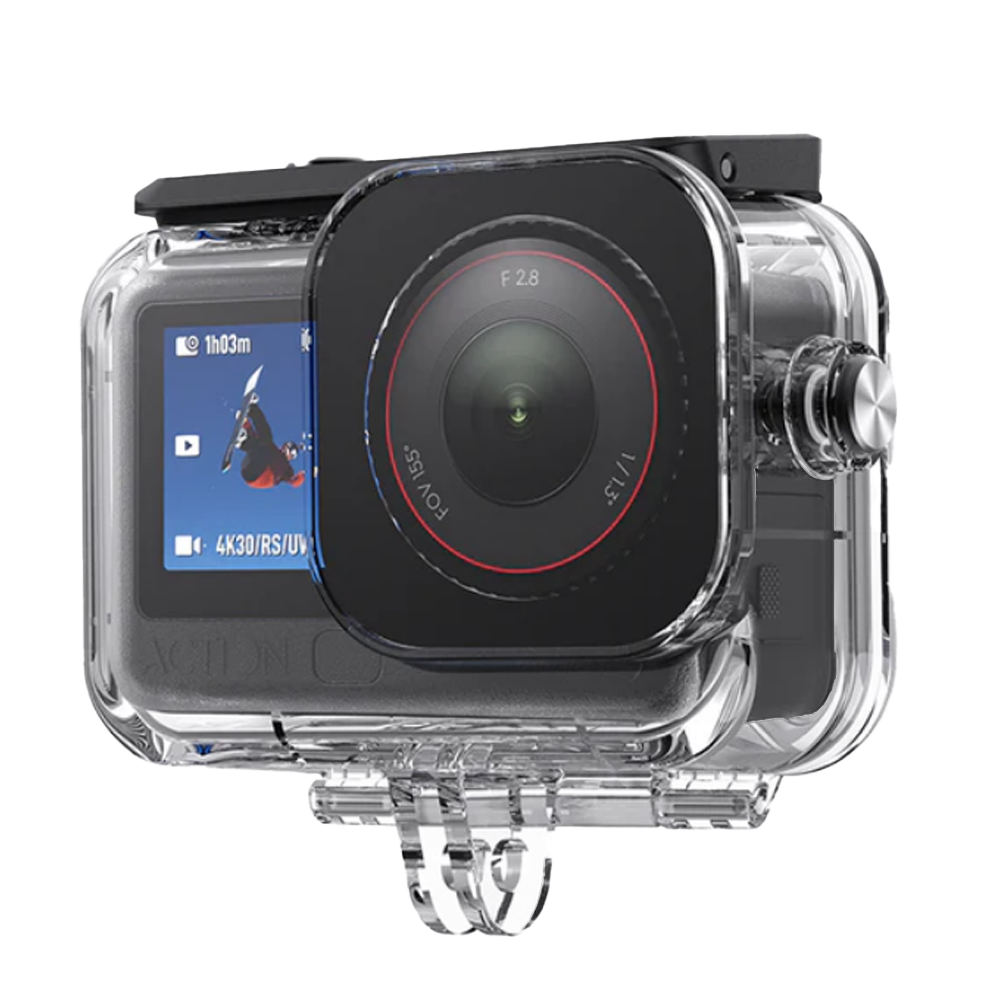
For most real-world use, a standard-sized aftermarket DJI waterproof case is the better option for cameras like the Osmo Action 3, 4, 5 Pro, and Action 6.
These are:
- compact and lightweight
- easy to mount
- compatible with accessories
- more affordable
This is why many users choose options like TELESIN waterproof cases.
If you are using a DJI Osmo Action 3, 4, or 5 Pro, you can use this compatible DJI Action 3/4/5 Pro Waterproof Case. If you are using the Action 6, use this DJI Action 6 Waterproof Case.
Most importantly, these cases are fully compatible with Seavu Seeker Marine Kit.
Aluminium and pro-level DJI waterproof cases
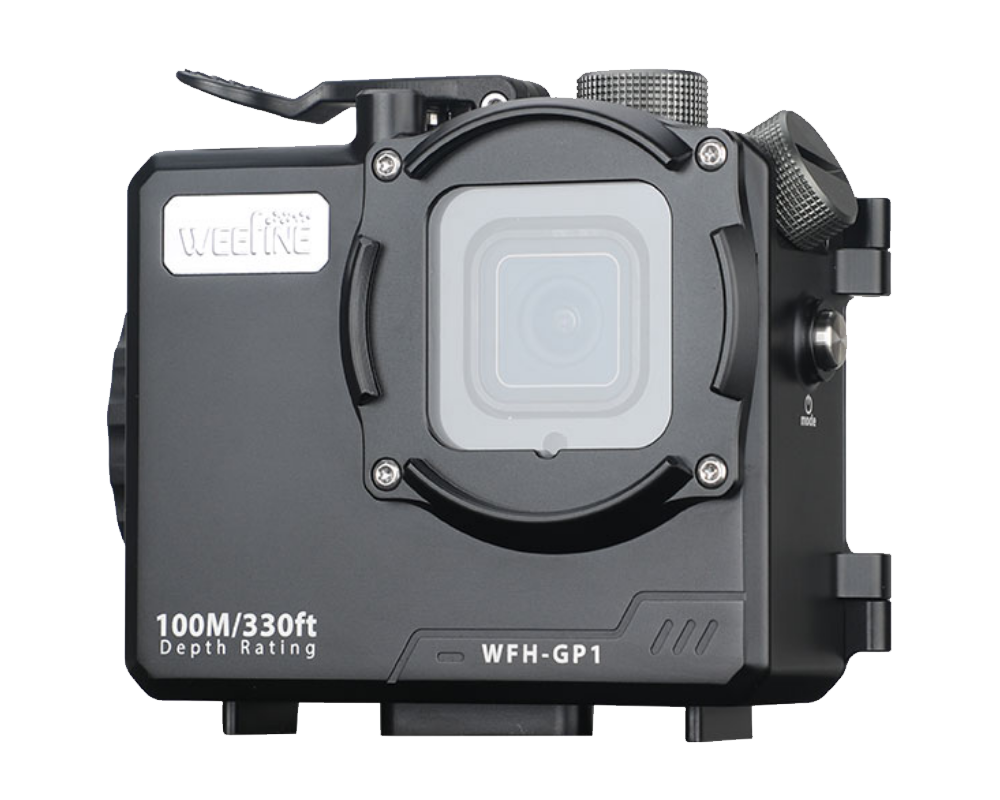
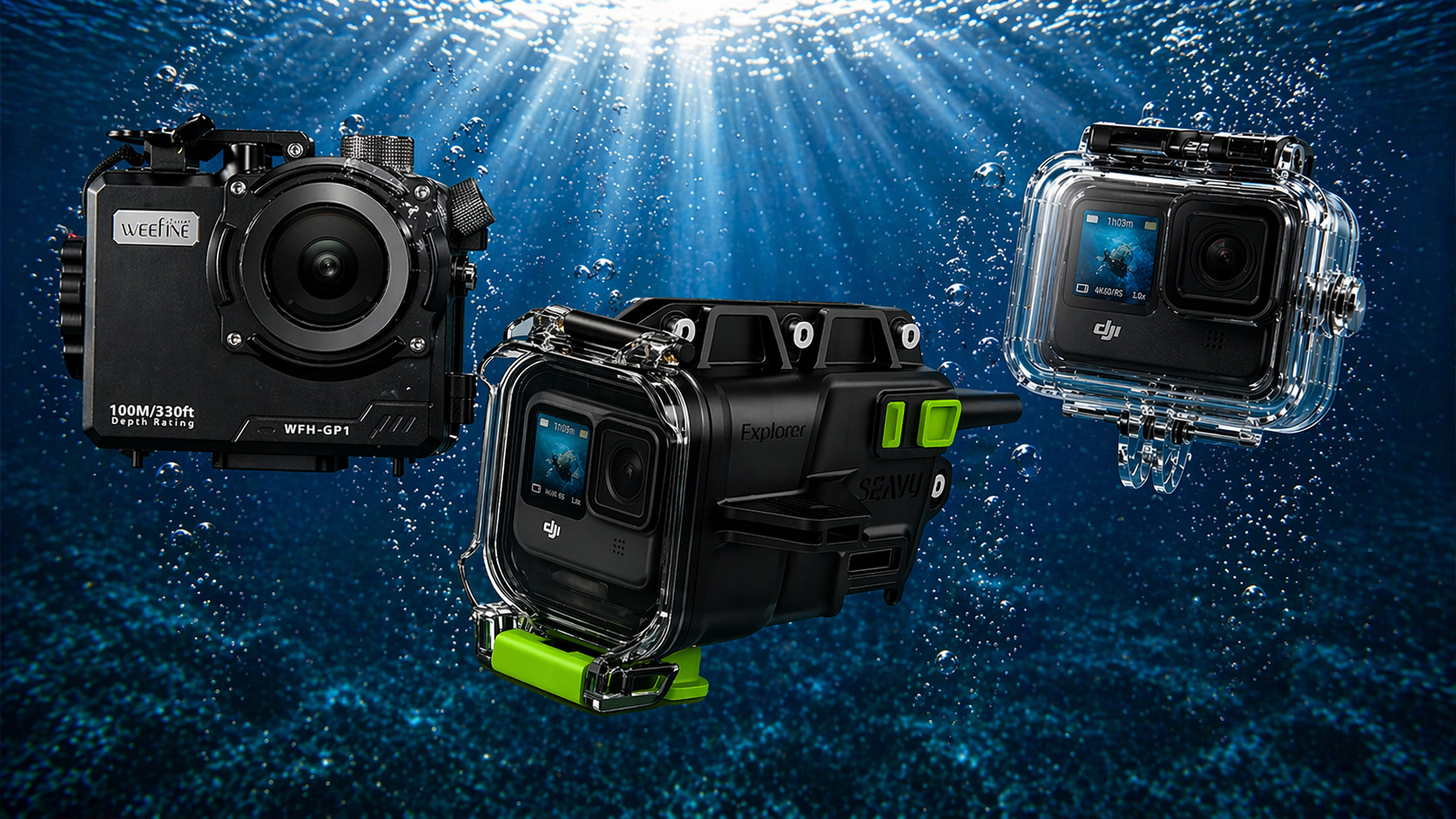
There are a small number of aluminium housings available for DJI cameras, such as those from Weefine.
These represent the closest thing to a professional DJI waterproof case.
They typically offer:
- very high depth ratings, around 100m or more
- solid aluminium construction
- mechanical button control
However, they are designed primarily for diving rather than general use.
In practice:
- they are large and heavy
- significantly more expensive
- not suited to flexible mounting setups
- not compatible with Seavu Seeker
- still do not solve the visibility problem
DJI waterproof case comparison by depth
There are a few different DJI waterproof case options available, each suited to different types of use.
| Type | Depth Rating | Best For |
|---|---|---|
| No case (bare camera) | ~10m | Surface use, swimming |
| Aftermarket waterproof case | ~40–60m | Fishing, boats, general use |
| DJI Waterproof Case | ~60m | Diving, deeper use |
| Aluminium housing (pro) | ~100m | Professional diving |
For most users, depth is not the limiting factor. Being able to position your camera properly and see what it is filming underwater matters far more.
The real limitation: you still cannot see underwater
No matter which DJI waterproof case you choose, you cannot see what your camera is filming underwater.
This is because WiFi and Bluetooth signals do not travel through water.
This leads to:
- guesswork when positioning your camera
- missed shots
- inefficient setups
Already have a DJI waterproof case? Upgrade it with Seavu Seeker

If you already have a DJI waterproof case, you can take your setup much further.
The Seavu Seeker Marine Kit allows you to:
- mount your DJI camera in a standard waterproof case
- attach it to poles, rigs, and custom setups
- view live underwater footage in real time
This transforms your setup from guessing to full control.
A better underwater housing option: Seavu Explorer

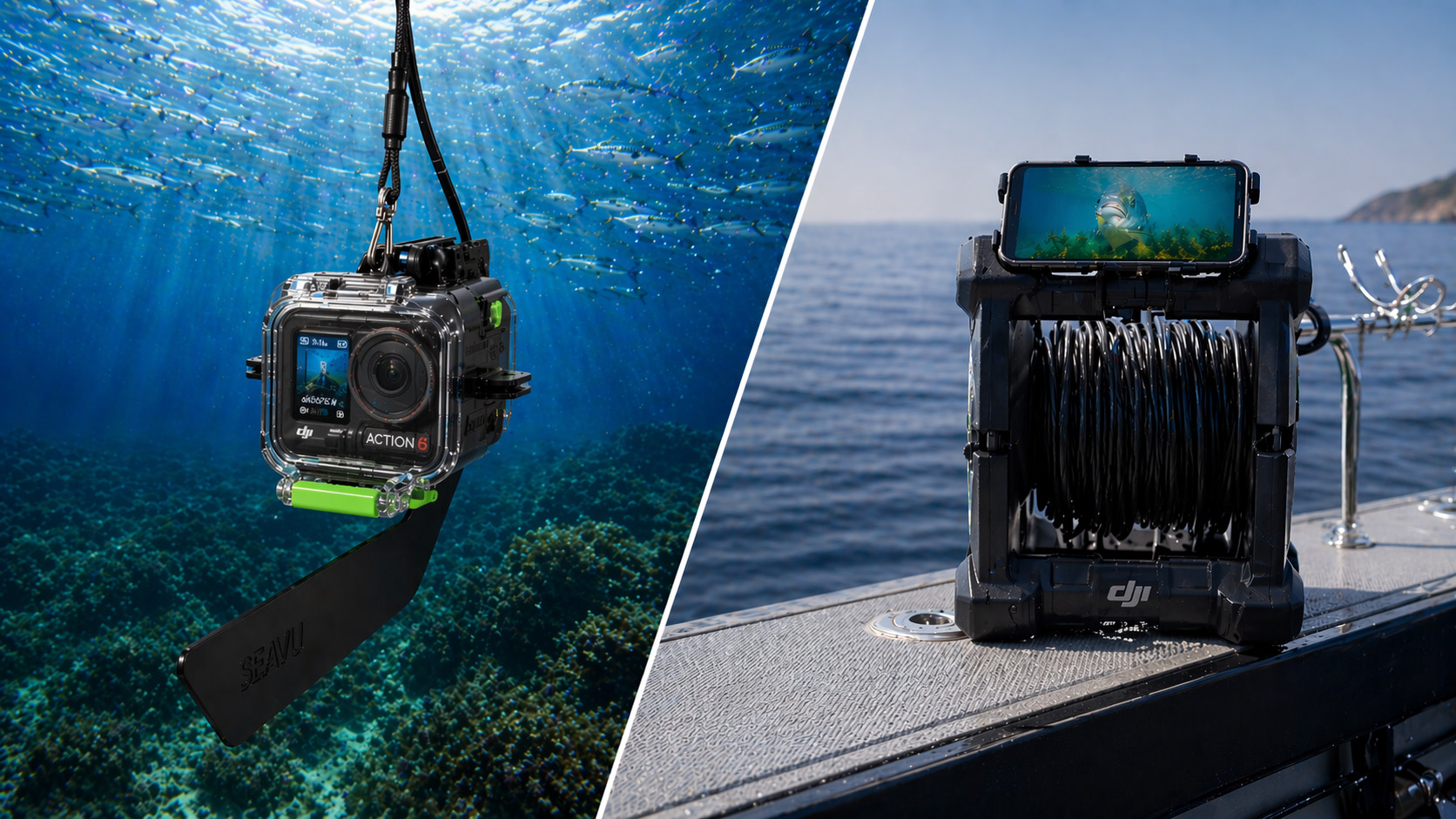
If you want to go beyond a DJI waterproof case entirely, the Seavu Explorer Adventure Kit is a complete system.
It allows you to:
- house your camera directly
- operate it underwater
- view footage in real time
Unlike a standard DJI waterproof case, the Seavu Explorer is designed as a complete system for live underwater viewing and control.
This makes it ideal for fishing, inspections, research, and filming.
Which DJI waterproof case is right for you?
- For shallow use, the camera’s built-in waterproofing may be enough
- For deeper water, an offical DJI waterproof case or aftermarket case is recommended
- For very deep or professional diving, a dedicated pro housing is the best option
- For mounting setups, a standard aftermarket case is usually more practical than the official DJI waterproof case
- For live viewing and control, a standard waterproof case used with Seavu provides the most effective solution
Final thoughts
DJI Osmo Action 3, 4, 5 Pro, and Action 6 cameras are excellent underwater tools, but choosing the right DJI waterproof case setup makes all the difference.
In most real-world situations, a waterproof case is essential. While the official DJI waterproof case is reliable, it is not always the most practical option. Aftermarket cases are often more flexible and better suited to mounting and everyday use.
However, no matter which case you choose, you still cannot see what is happening underwater. This is the biggest limitation of standard setups.
Systems like Seavu allow you to move beyond basic recording by giving you real-time visibility and control, helping you get far better results underwater.
If you are also considering GoPro, see our GoPro waterproof case guide for a full comparison of options.