Are underwater drones the best option for exploration, inspections, research and fishing?
Underwater drones have opened up a new way to explore and view the underwater world without getting in the water.
They are used across a wide range of applications, including exploration, inspections, marine research and fishing. From surveying reefs and checking boat hulls to observing fish behaviour, underwater drones offer flexibility and control in environments that are otherwise difficult to access.
However, while the concept is appealing, real world use can be more complex. Setup, conditions and usability all play a major role in how effective they are.
In this guide, we break down the pros and cons of underwater drones, where they make the most sense, and when a simpler underwater camera system may be the more practical option.
What Is an Underwater Drone?
An underwater drone, also known as a remotely operated vehicle, is a tethered device that can be controlled underwater while transmitting live video back to the operator.
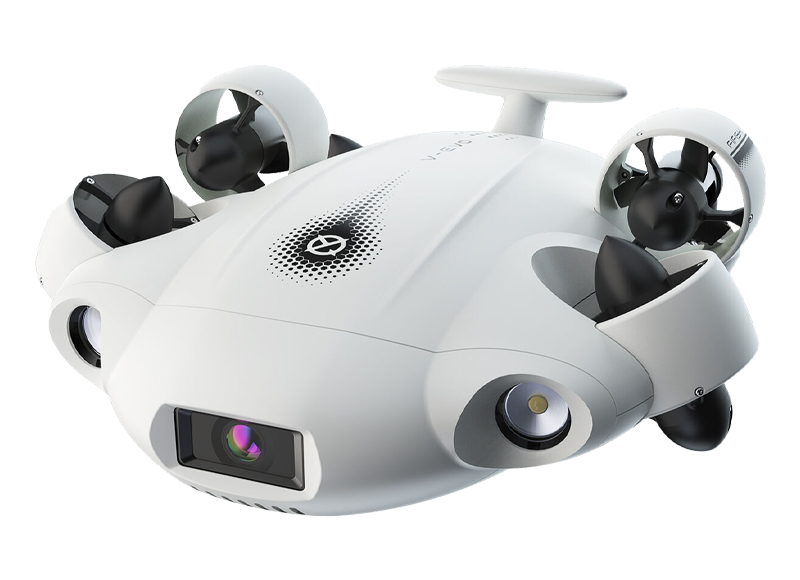
Most systems include:
- A camera and lighting system
- Thrusters for movement and control
- A tether for power and signal
- A controller and viewing screen
Some models also include recording, sensors and advanced navigation features. For a general overview, see this ROV overview.
Popular Underwater Drone Examples
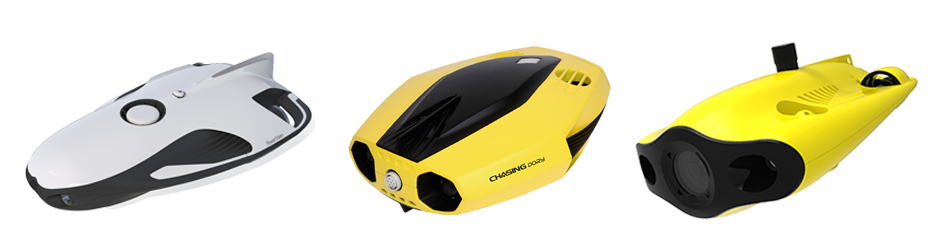
Some of the most recognised underwater drone brands include QYSEA FIFISH, CHASING and PowerVision PowerRay.
These systems demonstrate what underwater drones can do, from exploration and filming to inspections and research. However, they also highlight many of the trade offs discussed below, including cost, complexity and the need for active operation.
Where Underwater Drones Are Used
Underwater drones are used in a variety of environments where remote viewing and control are required.
- Exploration, surveying reefs, wrecks and underwater environments
- Inspections, checking hulls, moorings, infrastructure and confined spaces
- Research, observing marine life, habitats and environmental conditions
- Filming, capturing dynamic underwater footage
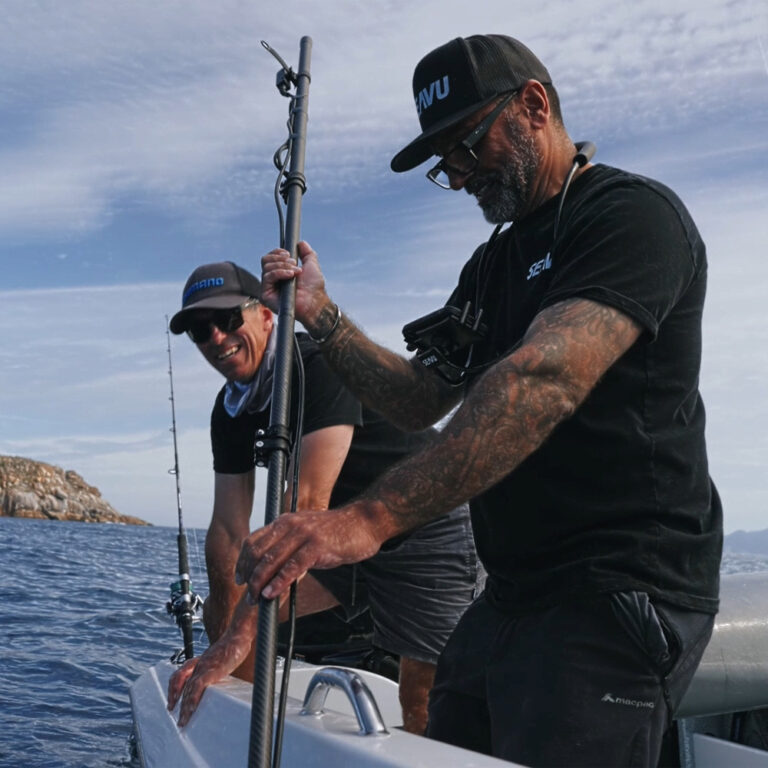
- Fishing, scouting structure, bait and fish behaviour
This versatility is one of their biggest strengths, but it also highlights where simpler tools may be more effective depending on the task.
Pros of Underwater Drones
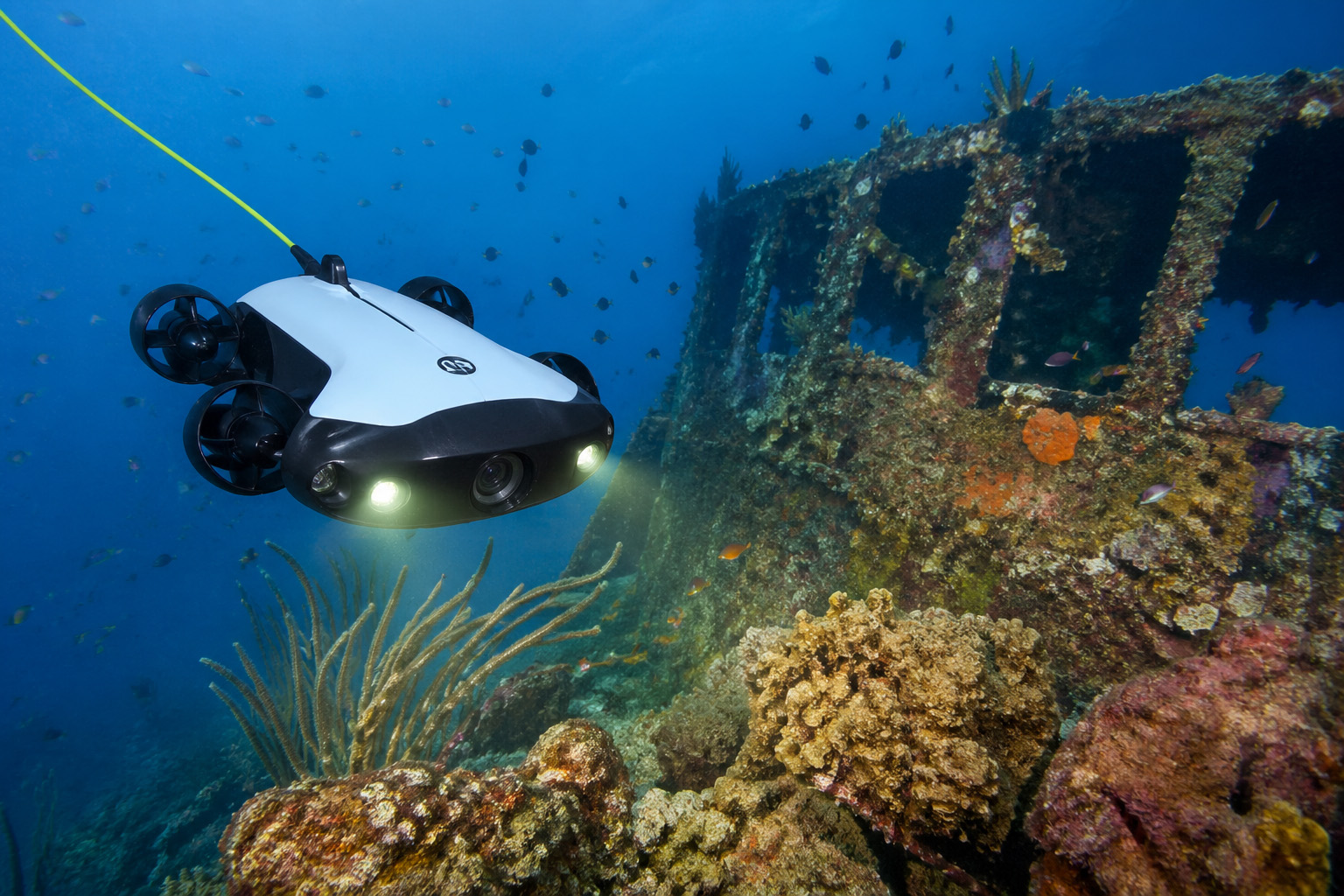
Full Movement and Control
Underwater drones can move freely in multiple directions, allowing users to explore large areas and navigate around structures.
Real Time Underwater Viewing
Most underwater drones provide a live video feed, making them useful for inspections, research and observation.
High End Imaging Capabilities
Many drones include high resolution cameras and lighting systems, making them suitable for detailed inspections and filming.
Multi Purpose Use
A single system can be used across multiple applications, from recreational use to commercial inspections.
Cons of Underwater Drones
Requires Full Attention to Operate
Underwater drones must be actively piloted. This means you cannot easily perform other tasks at the same time, which can be limiting in real world scenarios.
Disorientation and Control Challenges
Without clear reference points underwater, it can be difficult to judge direction, distance and position, making precise control challenging.
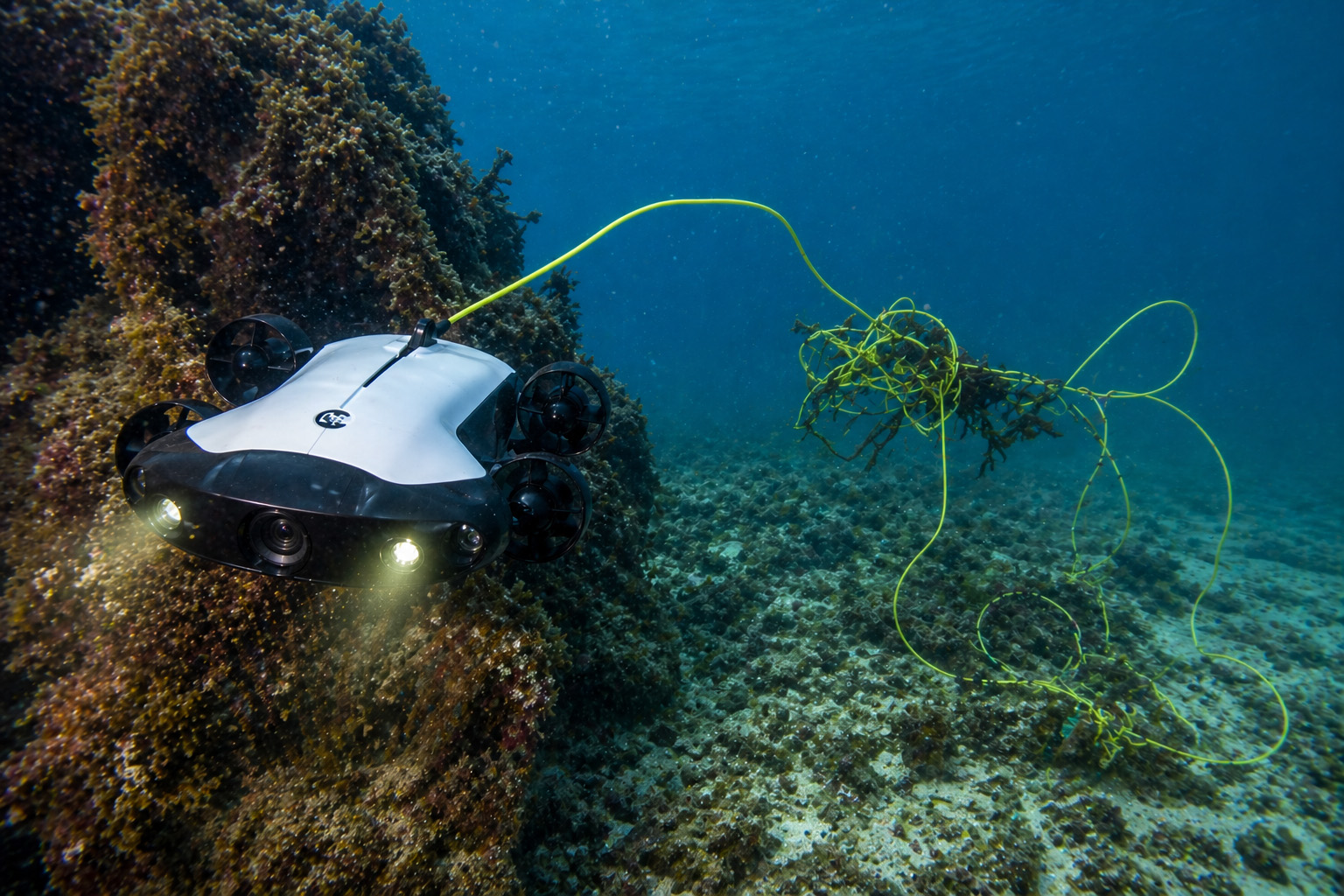
Tether Management and Snagging
Most underwater drones rely on a tether, which can snag on structures, limit movement and require constant management.
Performance in Real Conditions
Strong currents, low visibility and obstacles can reduce control and stability, making drones harder to use effectively outside of calm environments.
Setup Time and Complexity
Underwater drones take time to set up and operate, which can make them less practical for quick or repeated use.
Built In Cameras Become Outdated
Most underwater drones use built in cameras, which cannot be upgraded and may become outdated as technology improves.
Where Underwater Drones Make Sense
- Exploring large underwater areas
- Filming and content creation
- Open water research
In these situations, their control and flexibility can justify the complexity.
Where Underwater Drones Fall Short
- Quick inspections
- Working in current or tight spaces
- Repeated viewing tasks
- Situations where you need to multitask
In these cases, simpler systems are often more practical and reliable.
A Simpler Alternative for Inspections, Research and Fishing
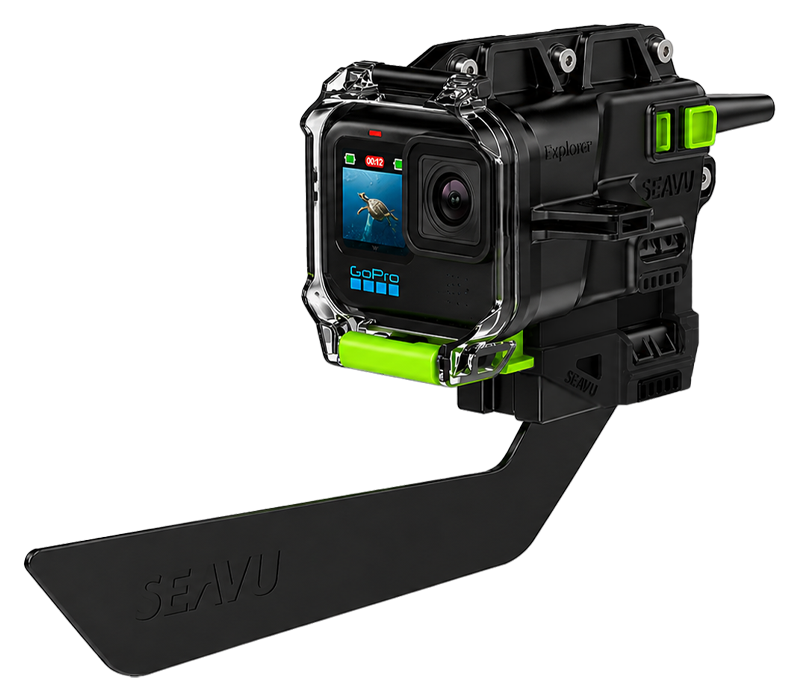
For many applications, the goal is not to explore freely, but simply to see clearly and consistently underwater.
Systems like Seavu take a different approach by focusing on stable live viewing rather than piloted control.
Built In Cameras vs Upgradeable Systems
Most underwater drones rely on built in cameras, locking you into a fixed system. As camera technology evolves, these systems can quickly become outdated.
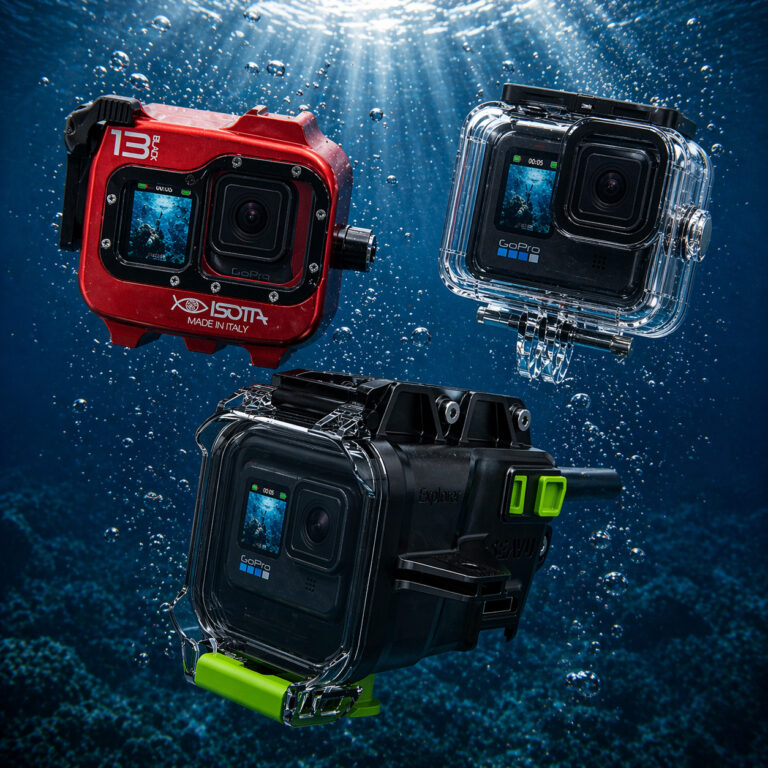
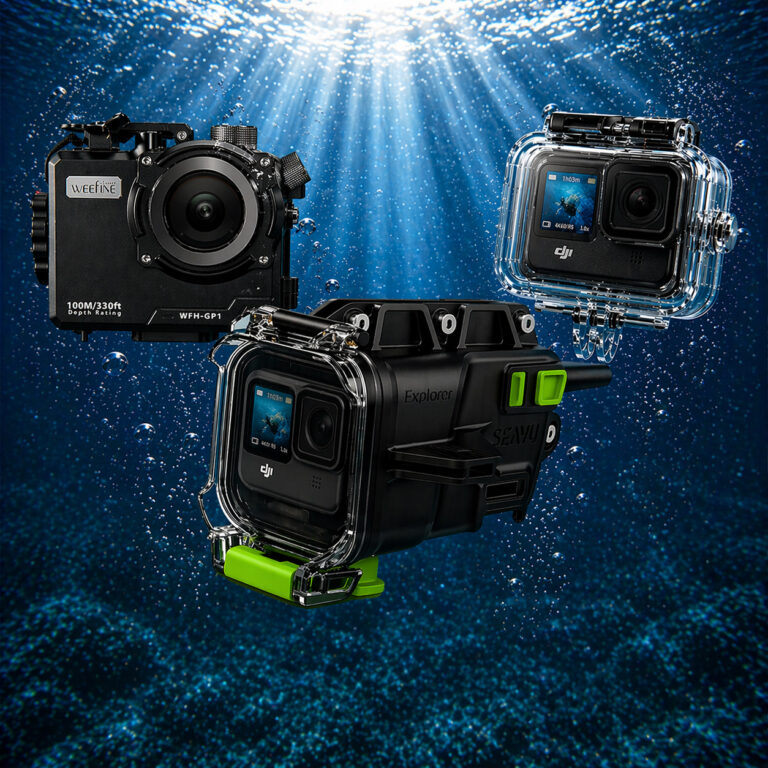
Seavu systems use action cameras such as GoPro and DJI Action cameras, allowing you to upgrade your setup over time.
This provides better long term value and keeps your system current without needing to replace everything.
Why This Approach Works
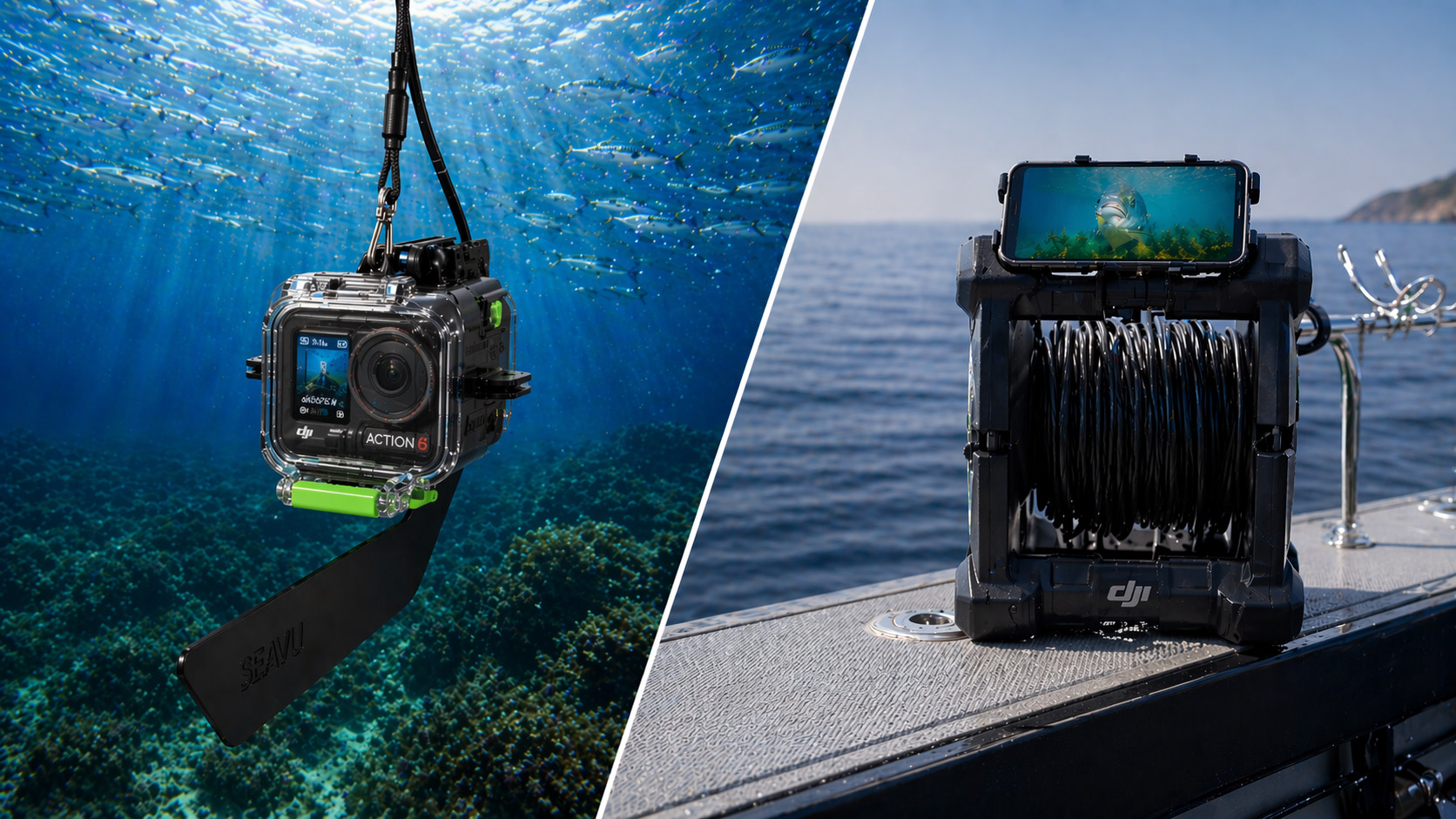
- Simple setup and deployment
- Stable viewing in real conditions
- No piloting required
- Easier cable management
Instead of controlling a device underwater, the focus shifts to observing what is happening, which is often more practical.
Underwater Drone vs Seavu System
| Feature | Underwater Drone | Seavu System |
|---|---|---|
| Movement | Full control | Fixed or guided |
| Operation | Requires piloting | Passive viewing |
| Setup | Complex | Simple |
| Stability | Variable | Consistent |
| Camera | Built in | Upgradeable |
| Best for | Exploration and filming | Inspections, research and fishing |
Final Thoughts
Underwater drones are powerful tools, particularly for exploration and filming where movement and control are essential.
However, they are not always the most practical solution.
For many real world applications, especially inspections, research and fishing, simplicity and reliability are often more important than full control.