What BRUV is, how it works and why live view makes every drop count
Baited remote underwater video, or BRUV, is one of the most widely used methods for studying fish and marine life. It is simple, repeatable and non-destructive. This guide covers how BRUV works, who uses it, and how adding live view with Seavu makes each drop more reliable.

What is BRUV?
BRUV is a camera system placed on the seafloor with a bag or cage of bait in front of the lens. The bait creates a scent plume that draws fish and other marine animals into view, and the camera records everything that comes in.
One of the main benefits of the method is that it removes the need for skilled observers in the field. It is also easy to standardise across different locations and depths. As a result, no divers are needed in the water and no fish are caught or handled.
How a BRUV system works
A typical BRUV setup includes:
- A weighted frame that sits on the seabed
- A bait arm holding the bait bag at a set distance from the camera
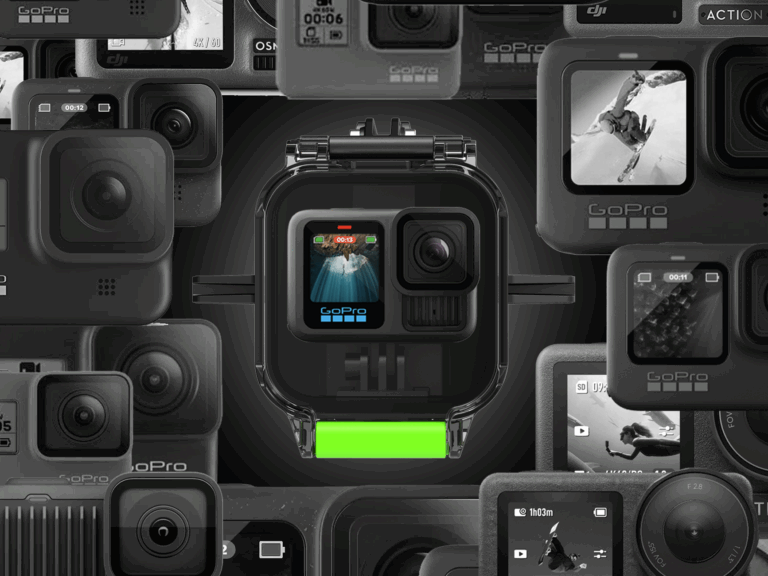
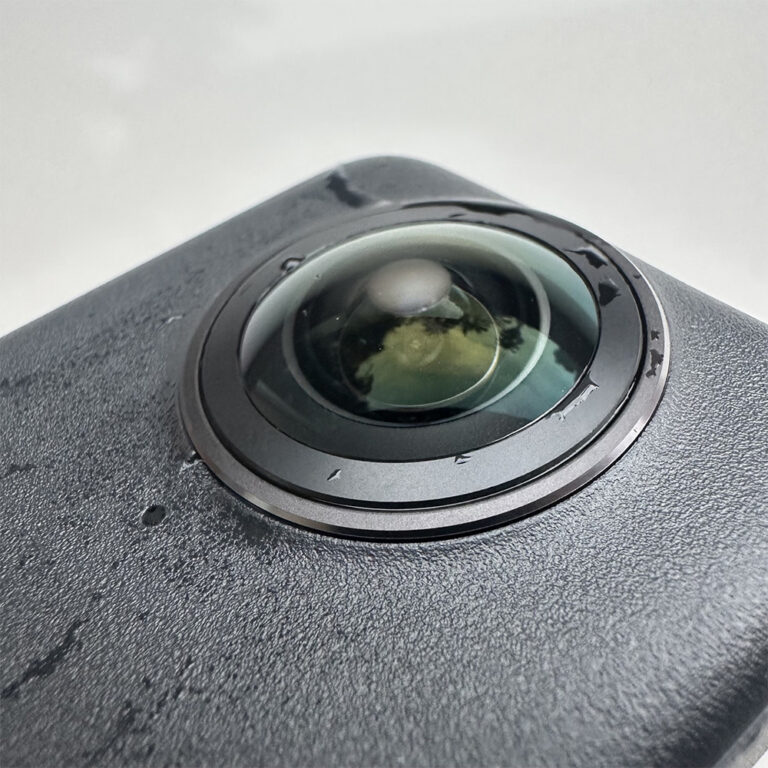
- A camera in a waterproof housing, often an action camera
- A rope and float so the rig can be located and retrieved

The rig is dropped from a boat and left on the bottom for a set period, known as the soak time. Research has found that 60 minutes effectively samples the majority of shark and ray species in shallow coral reef habitats, while around 77 minutes is optimal for recording all species. Once the soak is complete, the rig is retrieved and the footage is reviewed.
Some research teams use stereo-BRUV, which places two cameras side by side. Synchronised and calibrated stereo footage allows researchers to measure fish body size accurately.
Who uses BRUV
BRUV is used by a wide range of people and organisations, including:
- Marine scientists and universities
- Fisheries agencies
- Marine park managers
- Environmental consultants
- Schools and students
- Citizen science and community groups

Overall, it is a practical tool for anyone who needs to know what lives in an area without disturbing it.
What BRUV data is used for
Researchers use BRUV footage to record which species are present, how many there are and how they behave. The standard measure of abundance is MaxN, the maximum number of individuals of a species seen in a single video frame.

The data supports habitat monitoring, marine park planning, fisheries management and long-term environmental studies. For more on how live footage supports this work, see Enhancing Marine Research with Real-Time Underwater Footage.
At a global scale, the Global FinPrint project used BRUV to survey reef sharks. Of the 371 reefs surveyed in 58 countries, sharks were not observed on nearly 20 percent. Notably, the units used in that project were lightweight aluminium frames fitted with action cameras.
Traditional BRUV vs live view BRUV
With a traditional BRUV, the camera records blind. You only find out what happened once the rig is back on board. If it landed on its side, faced a wall of kelp or kicked up a sand cloud, that drop is often wasted.
Live view changes this. Instead of waiting until retrieval, you see what the camera sees from the surface while the rig is on the bottom.
Building a BRUV with an action camera
Action cameras have become a popular choice for BRUV because they are compact, affordable and record high quality footage. When building or choosing a setup, consider:
- Camera choice: battery life, storage and low light performance
- Housing: rated for your working depth
- Depth: how deep you need to drop the rig
- Lighting: natural light fades quickly with depth and in murky water
- Stability: a heavy, wide frame stops the rig tipping or moving in current
Using Seavu with BRUV
Seavu adds live preview and camera control to a BRUV rig. A receiver near the camera captures its signal, which travels up a dedicated Seavu cable to the surface and is then sent wirelessly to your phone or tablet. You view it through GoPro Quik or DJI Mimo, and no internet connection is needed.
Watch the short video below to see how Seavu works.
Easy to fit to an existing BRUV
Seavu is simple to add to most BRUV frames. The camera mounts into the Seeker, and the Seeker attaches to the standard GoPro mount already on most BRUV rigs. So there are no frame modifications or custom brackets needed. The cable then runs from the Seeker up to the boat.

Advantages of live view
- Confirm the rig has landed upright and is facing the right way before the soak starts
- Check framing, bait arm position and visibility from the surface
- Spot a bad drop early and redeploy straight away
- Watch activity as it happens rather than finding out back on land
- Share live preview with a team, students or a group on a TV or monitor using the Wireless HDMI Display Adapter

Advantages of camera control
- Start and stop recording from the surface
- Change camera settings without retrieving the rig
- Check battery and storage during the drop
However, for standardised scientific surveys, keep recording for the full soak time so results stay comparable between drops.
Recommended kits
The Seeker Marine Kit suits most BRUV work, with cable options of 7m, 17m, 27m and 52m. Meanwhile, the Seeker DeepScope Rig is suited to surveying and research where holding the camera stable in current is important.
Depth depends on your camera. GoPro HERO13 Black, DJI Action 5 Pro and DJI Action 6 support the 52m cable, whereas GoPro HERO5 to HERO12 are limited to 27m. In addition, GoPro HERO9 and HERO10 provide live preview but cannot record internally at the same time. See our guide to the best underwater cameras for Seavu for full details.
Limitations to consider
Live view is not the right fit for every BRUV program. A Seavu cable connects the rig to the surface, so it suits drops where a boat stays nearby. Programs that deploy many unattended rigs at once across a wide area may still use traditional recording only.