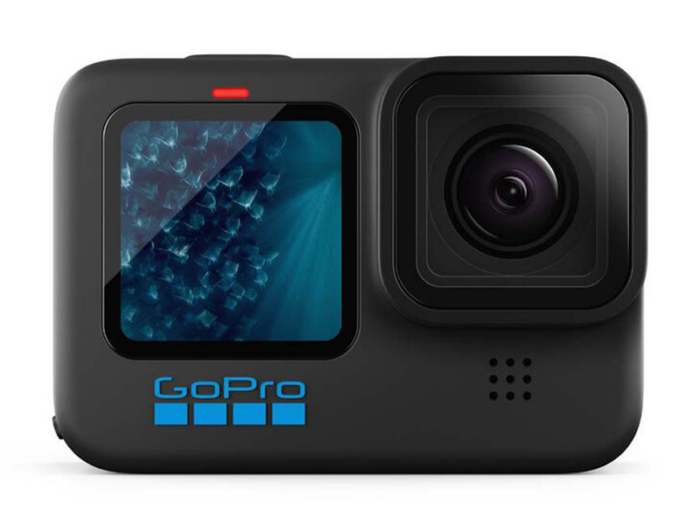
When it comes to capturing the vibrant life beneath the waves, the quality of your action camera can make or break your underwater footage. With the DJI Action 3 and GoPro Hero11 Black at the forefront of the action camera market, deciding which one is best for your underwater adventures can be challenging. Let’s dive into a detailed comparison of these two giants in the context of underwater photography.
The DJI Action 3 has been making waves in the action camera market, and it truly shines when taken underwater. Its robust build quality and user-friendly features are only the tip of the iceberg.
– Superior performance in low-light conditions: The DJI Action 3’s enhanced low-light performance ensures that your underwater footage remains clear and vibrant, even in darker, deeper waters.
– Front touchscreen: The DJI Action 3 features a front touchscreen, making it easier to frame your shots and control the camera underwater.
– Live preview via Mimo App: With the DJI Mimo app, you can live preview your footage while recording – a handy feature when you’re trying to capture that perfect underwater shot.
– Lower resolution: The DJI Action 3 does not support 5.3K resolution, which might be a drawback for those seeking the highest possible resolution.
The GoPro Hero11 Black builds upon the impressive legacy of its predecessors, offering a range of features that make it a worthy contender for underwater photography.
– High resolution: The GoPro Hero11 Black offers 5.3K resolution, ensuring crisp and detailed underwater footage.
– Superior image stabilization: The GoPro Hero11 Black’s top-notch image stabilization ensures smooth footage, even in turbulent underwater conditions.
– Lower low-light performance: The GoPro Hero11 Black’s low-light performance isn’t as robust as that of the DJI Action 3, which may result in darker, less detailed footage in certain underwater conditions.
– No live preview while recording: Since the GoPro Hero 9, live preview during recording has been disabled in the GoPro Quik app, which may affect your ability to frame your shots when the camera is beyond reach.
While the GoPro Hero11 Black offers higher resolution and superior image stabilization, the DJI Action 3 truly stands out when it comes to underwater photography due to its superior low-light performance and live preview feature. Underwater environments can often be dim and unpredictable, making these features invaluable for capturing high-quality footage.
Additionally, the front touchscreen on the DJI Action 3 enhances its usability underwater. Being able to easily adjust settings and frame your shots can significantly improve your underwater photography experience.
When choosing the best action camera for underwater footage, it’s important to consider the unique challenges of underwater photography. Low-light performance, ease of use, and the ability to preview your footage are crucial factors.
With its superior low-light capabilities and live preview feature, the DJI Action 3 emerges as a strong contender for the best underwater action camera. While the GoPro Hero11 Black does offer higher resolution and fantastic image stabilization, the lack of live preview during recording and lower low-light performance might limit its utility in deeper or murkier waters.
Ultimately, the decision between the DJI Action 3 and the GoPro Hero11 Black will depend on your specific needs and priorities. Whether you’re exploring a coral reef or diving into the deep blue sea, both cameras are more than capable of capturing your underwater adventures in stunning detail.
Capturing stunning underwater footage with your GoPro Hero 11 requires the right settings to ensure optimal image quality and colour accuracy. In this blog post, we will explore the recommended settings specifically tailored for underwater footage. From frame rate and resolution to white balance and colour profiles, these settings will help you unleash the full potential of your GoPro Hero 11 and produce consistently high-quality underwater videos.
Choose either 30 or 24 FPS for smooth motion and cinematic-like footage. Set the resolution to either 2.7K or 4K for greater detail and flexibility during editing.
Select the Wide option to capture a wider perspective and include more of the underwater scene in your footage.
Set HyperSmooth to AutoBoost to enable the built-in stabilisation feature, reducing camera shake and producing smoother underwater footage.
Turn on Pro Controls to unlock advanced settings and have full control over your GoPro Hero 11’s features.
Enable 10-Bit Colour to capture a broader range of colours and achieve more accurate colour grading during post-production.
Choose the High setting to ensure the highest quality video encoding and preserve fine details in your underwater footage.
Set the shutter speed to Auto, allowing the camera to adjust the exposure on the fly based on the available light.
Adjust EV Comp to -0.5 to slightly underexpose the footage and prevent highlights from being blown out in bright underwater environments.
Set the white balance to 4500K to maintain accurate colours underwater and avoid the footage looking green or purple. This preserves the natural blue tones of the underwater world.
Set the ISO min to 100 for the best image quality with minimal noise. Adjust the ISO max to 400 to account for low light conditions, avoiding excessive noise.
Choose either Low or Medium to retain details while minimising sharpening artifacts that can occur in underwater footage.
Select Flat for a desaturated colour profile, allowing greater flexibility in colour grading during post-processing. Alternatively, choose Natural for more vibrant and contrasty footage straight out of the camera.
Turn off RAW Audio to disable RAW audio recording and save storage space. Underwater audio is usually less important and can be supplemented with music or ambient sound in post-production.
Disable Wind Noise Reduction, as it is not necessary for underwater footage.
Set Wi-Fi Band to 2.4Ghz in order to livestream underwater footage with Seavu camera system. See full instructions on how to set camera Wi-Fi Frequency to 2.4Ghz.
With the recommended settings for underwater diving footage on your GoPro Hero 11, you can capture breathtaking videos that showcase the beauty of the underwater world. Adjusting frame rates, resolutions, white balance, and colour profiles, among other settings, gives you full control over your footage and ensures optimal image quality. Remember to experiment with different settings and accessories to find the perfect combination for your underwater adventures. Dive deep and capture the hidden wonders beneath the surface with your GoPro Hero 11!
Whether you’re capturing adrenaline-filled action shots or peaceful moments in nature, the choice of the right action camera can make all the difference. The GoPro Hero 11 Black and the DJI Action 3 are two leading contenders in the market, each boasting a unique set of features. This comprehensive comparison should help you decide which camera is best suited for your adventures.
The GoPro Hero 11 Black continues GoPro’s legacy, integrating a new sensor and wider lens for a better field of view. Renowned for its superior image stabilization, it’s perfect for recording high-action sequences without losing image clarity.
– Ability to shoot in 5.3K video at up to 50fps, ideal for capturing details.
– Best-in-class image stabilization for smooth, action-packed recordings.
– Flexibility in shooting with an 8:7 sensor, allowing post-shoot adjustment between vertical and horizontal orientations.
– The front display is view-only, with no interactive controls.
The DJI Action 3 retains the classic action camera design while adding valuable features such as a front touchscreen and an excellent magnetic mounting system. Its superior low-light performance outshines many, making it an excellent choice for underwater and low-light photography.
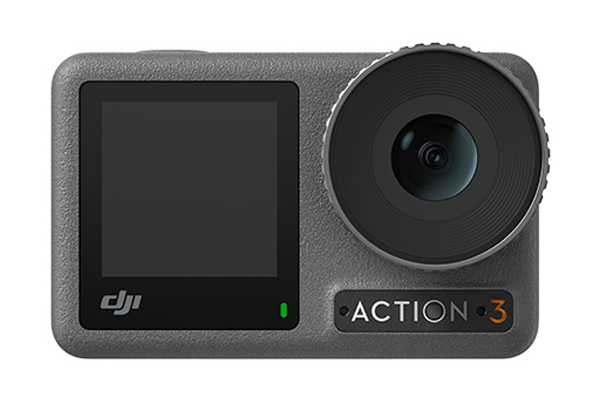
– Front touchscreen provides user-friendly controls.
– Enhanced low-light performance is perfect for capturing clear images underwater or in dimly lit environments.
– Excellent magnetic mounting system for fast and secure attachment.
– Doesn’t support 5.3K or open gate shooting
While the Hero 11 Black excels in high-resolution recording and superior image stabilization, the DJI Action 3 shines in low-light conditions. It captures brighter and more detailed images even in challenging lighting, making it perfect for underwater and low-light photography.
Both cameras adhere to the traditional action camera design, boasting replaceable lens covers and waterproof features. The DJI Action 3 stands out with its magnetic mounting system that allows for quick adjustments, while the Hero 11 Black has a built-in mount. The DJI camera also has a functional front touchscreen, while the GoPro’s front screen is only for viewing.
Each camera comes equipped with a long-lasting, cold-weather resistant battery, with DJI’s Extreme battery holding a slight edge over GoPro’s Enduro in capacity. When it comes to weather resistance, DJI Action 3 outperforms with an operating temperature of -20 degrees celsius compared to GoPro’s -10 degrees rating.
The GoPro Hero 11 Black retails at a higher price point of $799, while the DJI Action 3 is priced at $529. However, with GoPro recently lowering the Hero 11 Black’s price to $649, the gap has significantly narrowed.
One crucial aspect of using action cameras that often goes overlooked is the functionality offered by their companion apps. Both GoPro and DJI provide companion apps, Quik and Mimo respectively, to enhance the usability of their cameras. However, there is a key difference that could influence your purchasing decision: the ability to live preview your footage while recording.
Since the GoPro Hero 9, the GoPro Quik app has unfortunately disabled the live preview feature while recording. This decision has been met with disappointment by many loyal GoPro users, as the live preview feature is particularly useful when the camera is mounted in a location that’s beyond reach, such as on a helmet, car, or drone.
On the other hand, the DJI Mimo app continues to support live preview during recording, even when capturing in 4K resolution. This feature provides users with real-time feedback on the footage being captured, allowing for instant adjustments to the camera angle, position, or settings to ensure the best possible results. This is particularly beneficial when the camera is mounted at a distance or in a hard-to-reach spot.
In this aspect, DJI Action 3 holds a significant edge over the GoPro Hero 11 Black. This can be a game-changing feature for action enthusiasts who rely heavily on app-based controls and live feedback.
See full livestream compatibility list.
The GoPro Hero 11 Black and the DJI Action 3 each have their unique strengths, appealing to different users based on their specific requirements. The Hero 11 Black is ideal for those seeking high-resolution recording and superior image stabilization. Meanwhile, the DJI Action 3, with its superior low-light performance and user-friendly interface, is a solid option for underwater or dimly lit environments. If live preview while recording is high on your priority list, the DJI Action 3 could be the better option for you.
Remember, the key to choosing an action camera is striking a balance between your needs, the camera’s features, and your budget. Each camera offers unique advantages, so select the one that best resonates with your adventure aspirations.
In the era of social media and capturing life’s precious moments on the go, video editing apps have become essential tools for users. GoPro Quik and DJI Mimo are two popular apps that offer powerful editing features to enhance your photos and videos. In this blog, we will compare the features and functionalities of GoPro Quik and DJI Mimo, helping you make an informed choice based on your editing needs.
GoPro Quik is a versatile app that serves as an all-in-one solution for saving, editing, and sharing your photos and videos. It supports footage captured on GoPro cameras as well as your phone, making it convenient for users with different devices. Let’s take a closer look at the key features of GoPro Quik:
DJI Mimo is a comprehensive app designed to enhance your photos and videos captured with DJI products. It offers a range of powerful editing tools and intelligent modes to create stunning visual content. Let’s explore the key features of DJI Mimo:
Both GoPro Quik and DJI Mimo are feature-rich video editing apps that cater to different user preferences and camera setups. GoPro Quik is a versatile solution that supports various devices and provides easy-to-use editing tools, making it suitable for users with GoPro cameras or smartphones. On the other hand, DJI Mimo offers precise control over DJI products and incorporates intelligent modes and cinematic features, ideal for users specifically capturing footage with DJI cameras. Consider your editing needs, camera compatibility, and desired features to determine which app aligns better with your requirements. Whichever you choose, both GoPro Quik and DJI Mimo empower you to create captivating videos to share with your friends, family, and social media audience.
When it comes to capturing thrilling moments during your underwater adventures, the DJI Action 3 is an exceptional action camera that delivers outstanding performance. To fully unleash its potential, you need a reliable waterproof case that ensures the safety and protection of your DJI Action 3 in aquatic environments. In this blog post, we will explore why the Seavu Explorer is the best waterproof case for the DJI Action 3. With its innovative features, exceptional durability, and user-friendly design, the Seavu Explorer takes your underwater filming experience to new depths.
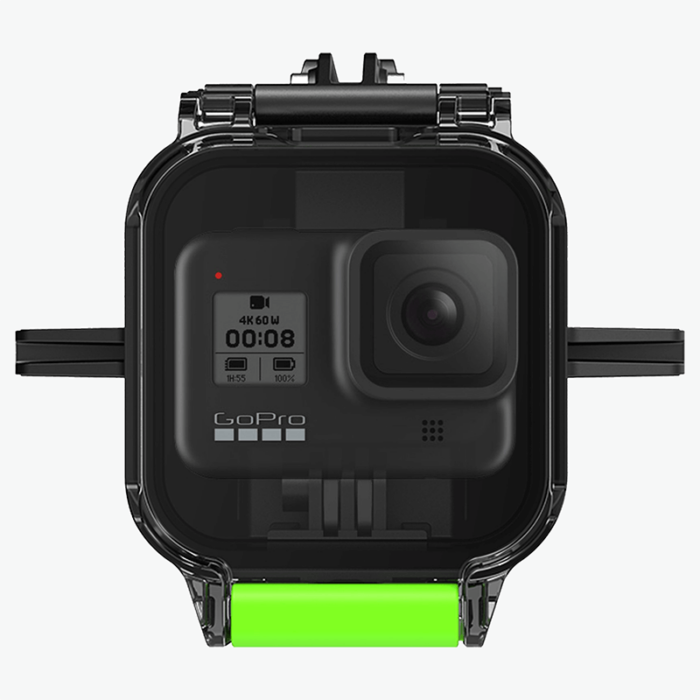
The Seavu Explorer is specifically designed to provide unparalleled waterproof performance for the DJI Action 3. With its IPX8 waterproof rating, it allows you to dive up to 164 feet (50 meters) with your DJI Action 3, ensuring that your camera remains dry and fully functional even in extreme underwater conditions. Whether you’re exploring vibrant coral reefs, capturing epic underwater shots, or engaging in thrilling water sports, the Seavu Explorer keeps your DJI Action 3 protected and ready to capture every moment.
Crafted with high-quality materials, the Seavu Explorer is built to withstand the rigours of underwater adventures. Its rugged construction and impact-resistant design ensure that your DJI Action 3 is shielded from bumps, scratches, and accidental drops. The Explorer’s durable housing is engineered to endure the harsh underwater environment, making it a reliable companion for all your underwater filming endeavours.
The Seavu Explorer is designed with seamless compatibility in mind, ensuring a perfect fit for your DJI Action 3. Its camera mount system allows you to insert and remove the camera with ease, making it convenient for setting up and preparing for your underwater shots.
With the Seavu Explorer, you can capture stunning underwater footage without compromising on image quality. The case features a high-transmittance flat glass lens that ensures sharp, clear, and distortion-free visuals. The optical clarity of the lens allows you to capture the vibrant colours and intricate details of the underwater world, bringing your footage to life with breathtaking clarity and precision. Here’s some DJI Action 3 settings tips for filming underwater.
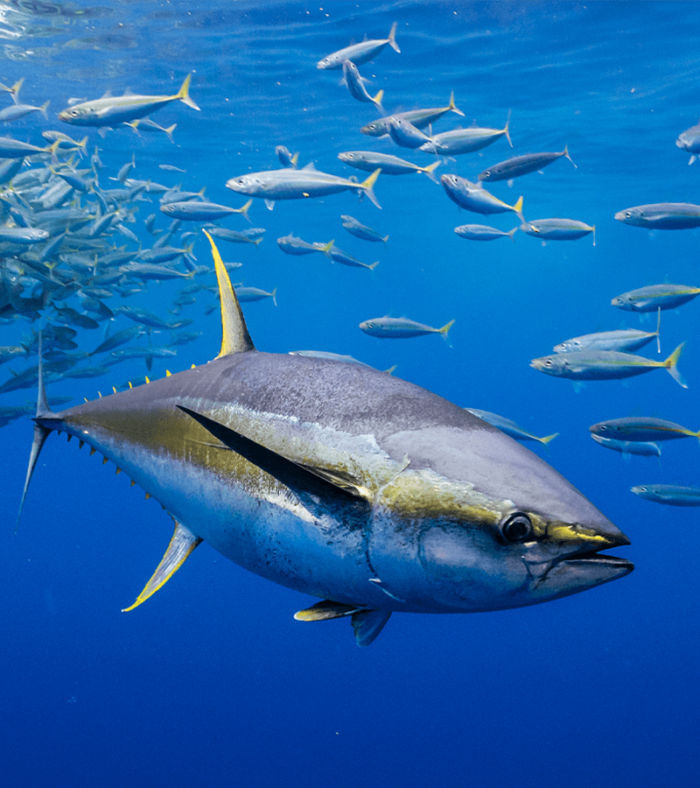
With its modular accessory clip system, the Seavu Explorer Case provides unmatched versatility, making it a game-changing option for underwater filmmakers. This versatility gives you the freedom to experiment with different filming angles and perspectives, enhancing the creative possibilities of your underwater footage.
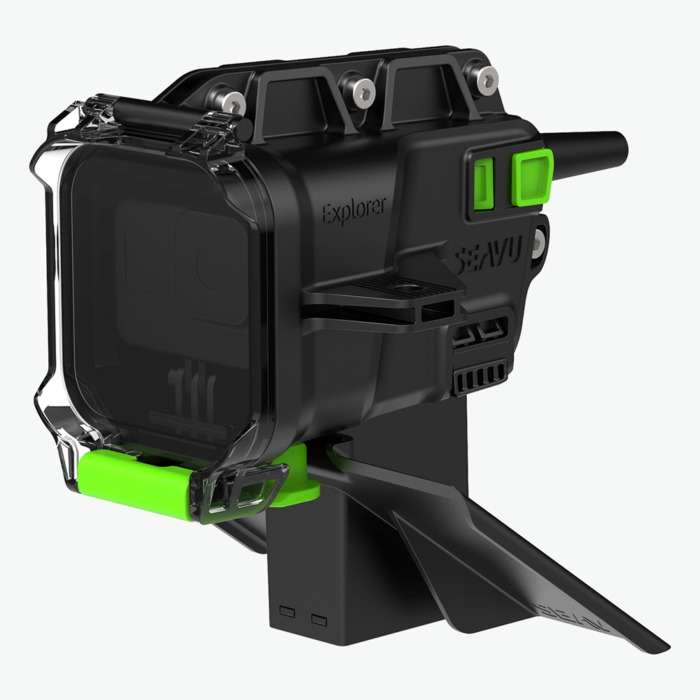
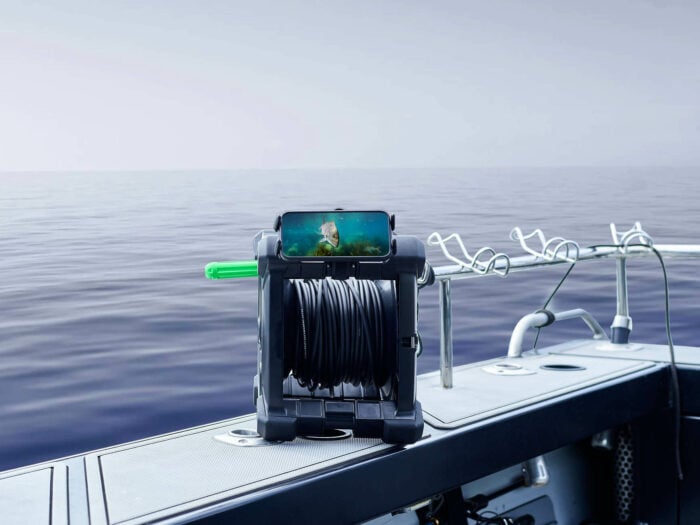
This innovative case, when paired with the Seavu Reel and cable, offers a unique Passive WiFi Extension Antenna. It allows for live streaming of footage up to 27 metres underwater, providing real-time monitoring and recording capabilities.
When it comes to protecting and enhancing the filming capabilities of your DJI Action 3 in underwater environments, the Seavu Explorer stands out as the ultimate waterproof case. With its unmatched waterproof performance, durable construction, seamless compatibility, crystal clear image quality, versatile mounting options, and livestream capability, the Seavu Explorer empowers you to capture stunning underwater footage with confidence and ease. Elevate your underwater filming experience and unlock the full potential of your DJI Action 3 with the Seavu Explorer — your trusted companion for underwater adventures.
Underwater fishing adventures offer a captivating experience, and capturing the underwater world has become more accessible with advancements in technology. In this blog post, we will compare Seavu, a versatile underwater livestream solution, with underwater drones specifically for fishing purposes. By exploring the pros and cons of each option, you can make an informed decision about the best tool to enhance your underwater fishing experiences.
Seavu offers several advantages tailored to underwater fishing
Cost-Effectiveness and Accessibility: Seavu provides an affordable option for capturing underwater footage by utilizing your existing action camera, such as a GoPro. This makes it accessible to a wide range of fishing enthusiasts, eliminating the need for additional expensive equipment.
Easy Setup and Operation: With its plug-and-play functionality, Seavu is designed for user-friendliness. Setting it up and getting started with livestreaming underwater footage is a hassle-free process, allowing you to focus more on your fishing adventure. Simply insert your action camera into the Seavu Explorer case, and you’re ready to dive into the underwater world.
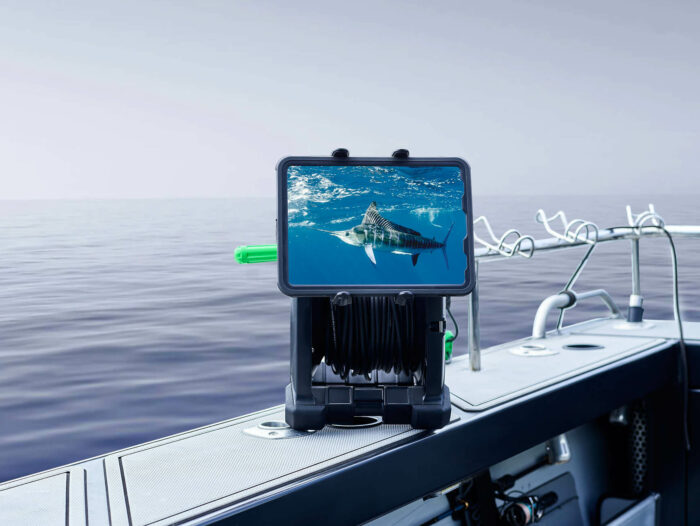
Real-Time Livestreaming: Seavu allows you to livestream underwater footage in real-time to your mobile device. This feature provides immediate visibility into underwater activity, enabling you to monitor fish behaviour and make well-informed fishing decisions on the spot. You can observe fish strikes, explore fishing grounds, track the movements of schools of fish, and adjust your fishing strategies accordingly, all in real-time.
Customization and Versatility: Seavu’s modular accessory clip system enables customization based on your fishing preferences. You can easily attach accessories like trolling fins, bait release clips, or pole mounts to tailor the system to your specific fishing techniques. This level of customization increases your chances of success and allows you to adapt to different fishing scenarios. Whether you’re trolling, casting, or drop fishing, Seavu can be customised to meet your specific needs.
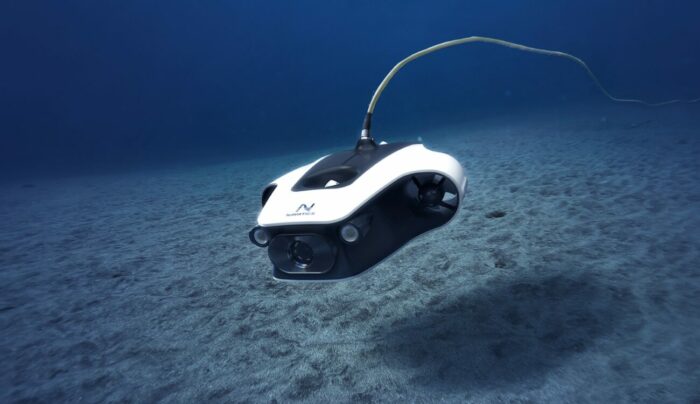
Underwater drones, also known as underwater ROVs (remotely operated vehicles), provide unique advantages for fishing enthusiasts
Remote Exploration of Fishing Spots: Underwater drones allow for remote exploration of potential fishing spots. Equipped with high-resolution cameras, these drones provide a bird’s-eye view of the underwater landscape, enabling you to identify underwater structures, locate schools of fish, and scout the perfect fishing location without submerging yourself.
Precise Underwater Manoeuvrability: Underwater drones offer precise control and manoeuvrability, allowing you to navigate tight spaces and manoeuvre around submerged structures. This capability ensures that you can reach areas that may be difficult to access with traditional fishing gear, expanding your fishing opportunities.
Potential Drawbacks of Underwater Drones
While underwater drones offer unique advantages, it’s important to consider the potential drawbacks specific to fishing.
Noise and Disturbance: Underwater drones can create noise and vibrations that may disturb marine wildlife. This disturbance can affect their natural behaviour and may interfere with the fishing experience.
User Distraction: Operating an underwater drone requires constant attention and focus, which can detract from the fishing experience. It may divert your attention from actively fishing and enjoying the surroundings, as you need to monitor and control the drone.
Limited Fishing Applications: Underwater drones are primarily designed for exploration purposes and are not optimized for specific fishing techniques like trolling. Their size and configuration is not be suitable for efficient trolling operations. Instead, underwater drones excel in tasks such as scouting and mapping fishing grounds while the boat is anchored.
Pros and Cons: Seavu vs. Underwater Drones for Underwater Fishing
Let’s examine the pros and cons of Seavu and underwater drones, specifically for underwater fishing:
Seavu Pros:
– Cost-effective and accessible solution
– Easy setup and operation
– Real-time underwater livestreaming capabilities
– Customizable with a modular accessory clip system
Seavu Cons:
– Limited range compared to underwater drones
Underwater Drone Pros:
– Remote exploration of fishing spots
– Precise underwater manoeuvrability
– Real-time underwater livestreaming capabilities
Underwater Drone Cons:
– Potential noise and disturbance to marine wildlife
– User distraction from fishing experience
– Limited fishing applications
When deciding between Seavu and an underwater drone for underwater fishing, consider your specific fishing needs and preferences. If you prioritize cost-effectiveness, ease of use, real-time livestreaming, immediate visibility, and customization, Seavu is an excellent choice. Its affordability, user-friendly design, and livestreaming capabilities make it a compelling option for underwater fishing enthusiasts. On the other hand, underwater drones offer remote exploration and precise manoeuvrability, but come with the potential drawbacks of noise, user distraction and are not suitable for all fishing applications.
Evaluate your priorities, budget, and fishing requirements to determine the best tool for capturing and livestreaming your underwater fishing adventures. Seavu provides a reliable and accessible solution, ensuring you can witness the underwater world in real-time while enjoying your fishing experience to the fullest.
In 2017, Charlo, the founder of Seavu, decided to leave his successful communications career in London and return to his homeland, Australia. Charlo carried with him a lifelong love for fishing, a passion that became his sanctuary from the gruelling 60-hour work weeks he’d left behind. After purchasing a boat to enjoy his fishing escapades, he quickly realised the complexities that beginner fishermen face, particularly the mystery of the underwater world.
Hungry for knowledge, Charlo absorbed every bit of fishing wisdom he could find, driven by his resolution to become an adept angler. However, the onset of the pandemic meant limited opportunities for fishing, making each trip even more precious. But even with the best equipment and a growing wealth of knowledge, Charlo found himself in a sea of overwhelming information, still feeling like he had “all the gear and no idea”.
This persistent conundrum sparked an idea in Charlo’s mind. What if he could see what was happening beneath the surface of the water? Would he be able to tell if his fish finder was displaying a school of snapper or just a discarded shopping trolley? It was this curiosity that laid the foundation for what would eventually become Seavu.
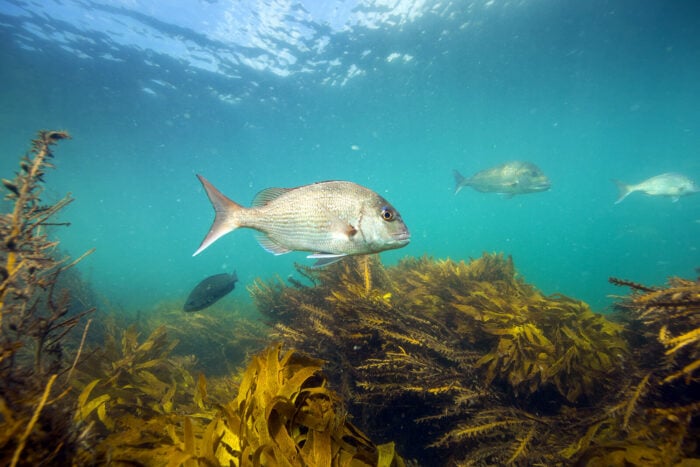
Charlo’s concept of viewing real-time underwater footage was ambitious but faced one significant problem. There were no accessible products on the market that fulfilled his requirements. Available options were either exorbitantly priced, complicated to use, or inadequate for adapting to varying conditions. Not deterred by this, Charlo decided to create the solution he needed – his own live-streaming underwater camera.
After years of perseverance, multiple prototypes, and the dedication of a skilled team, Seavu finally came to life. Today, it stands as a testament to Charlo’s vision and determination, providing a high-quality solution for live-streaming the underwater world.
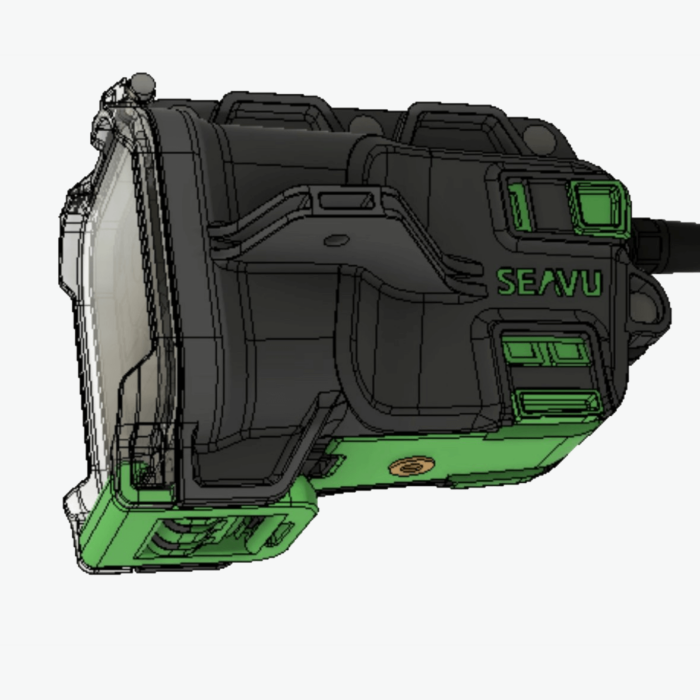
Seavu’s journey is more than just the story of a product’s development; it’s the realisation of a dream, the fruit of dedication, and the embodiment of a love for fishing. Its creation has provided a unique tool that not only enriches the fishing experience but also demystifies the aquatic world for anglers worldwide. And in doing so, it honours the dream of a boy who simply wanted more time to go fishing.
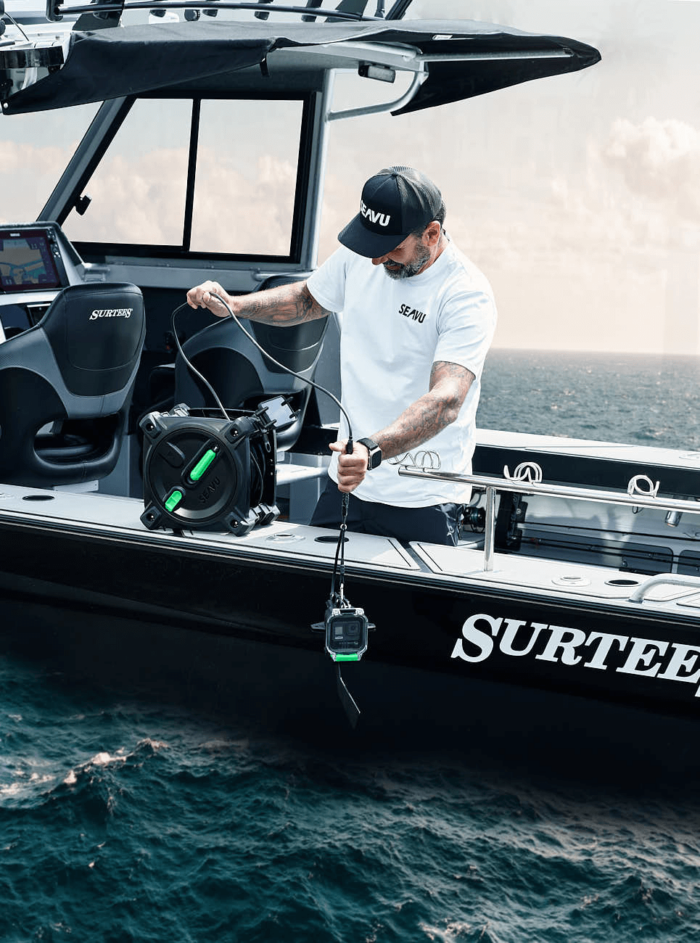
Over the years, fishing has witnessed the integration of various technologies aimed at enhancing the experience and improving success rates. Among these emerging technologies, underwater drones, often referred to as ROVs (Remotely Operated Vehicles), have sparked considerable interest. These devices offer an unprecedented view into the aquatic world, opening up new possibilities for anglers. However, as with any technology, they are not without their limitations. Let’s dive deeper into the world of underwater drones and explore their pros and cons in fishing.
Underwater drones are capable of diving deep into water bodies, capturing high-resolution video footage and still images of the underwater environment. Equipped with powerful propellers, these drones can navigate through strong currents and around underwater structures, providing a real-time view of what’s happening beneath the water’s surface. For anglers, this means the ability to scout out potential fishing spots, identify the species present, and even observe fish behavior—all without casting a line.
Despite the exciting prospects offered by underwater drones, they are not without drawbacks. Here are some of the key limitations that come into play when using these devices for fishing:
Before deploying an underwater drone for fishing, it’s crucial to be aware of the legal restrictions in place. In many regions, there are regulations governing the use of drones (both aerial and underwater) in public water bodies. These rules can limit where and when you can use your drone, potentially restricting their utility for fishing.
While underwater drones can dive deep and navigate challenging underwater environments, they are limited by their battery life. Most drones can operate for one to four hours on a single charge, depending on their design and the conditions they’re used in. This limited operational time can restrict how much you can explore and how far the drone can travel from its base station.
Underwater drones rely on a tethered connection to their base station to transmit video feeds and receive control signals. However, this connection can be affected by interference from various sources, including other electronic devices, marine equipment, and even natural elements in the water. Any interruption in the signal can result in loss of control, limiting the drone’s effectiveness.
There are also concerns about the potential impact of underwater drones on aquatic environments and wildlife. The noise and light produced by these devices can disrupt marine life, and there is always the risk of entanglement with aquatic plants or debris.
High-quality underwater drones can be costly, with prices ranging from several hundred to a few thousand dollars. This investment may not be justifiable for casual anglers or those who only fish occasionally.
Underwater drones present exciting possibilities for anglers, offering a new perspective on the aquatic world and potentially improving the success of fishing trips. However, their limitations, ranging from legal restrictions and battery life to signal interference, environmental impact, and cost, cannot be overlooked. Therefore, when considering an underwater drone for fishing, it’s important to weigh these factors against the potential benefits to determine if it’s the right choice for you.
Capturing the enigmatic beauty of underwater environments is a thrilling aspect of videography. This guide delves into how water clarity affects footage and offers insights for utilising advanced cameras like the GoPro Hero12 and DJI Action 4, highlighting the role of Seavu in enhancing these experiences.
The Science of Water Clarity
Water clarity influences the amount of light that penetrates the water and significantly impacts how images are captured. It is affected by particulates such as sediments and plankton, which absorb or scatter light. Clear water allows for deeper light penetration, producing crisper and more vibrant footage. In contrast, murky water reduces visibility and dims colours, presenting unique challenges.
Technical Adjustments for Clarity Variations
Favourite Shots in Clear Water Conditions
Enhancing Techniques with GoPro Hero12 and DJI Action 4
These cameras are equipped with auto white balance, aiding quick adaptation to changing underwater lighting conditions. However, manually adjusting the white balance often yields better results, offering more precise control over colour correction. Despite the auto white balance, using filters can further improve colour accuracy.
Post-Production Tips
Post-production is essential in underwater videography. Utilise tools for colour correction to adjust hues distorted by water, and apply noise reduction to clean up footage shot at high ISOs in low clarity conditions.
Conclusion
Understanding and adjusting for water clarity are crucial to successful underwater videography. By mastering camera settings and using the right accessories, videographers can capture stunning underwater footage, revealing the hidden wonders of aquatic environments.
Dive into the underwater world with your GoPro Hero12 or DJI Action 4, and enhance your experience using Seavu for live underwater viewing. For more information on how Seavu products can transform your underwater filming adventures, visit Seavu