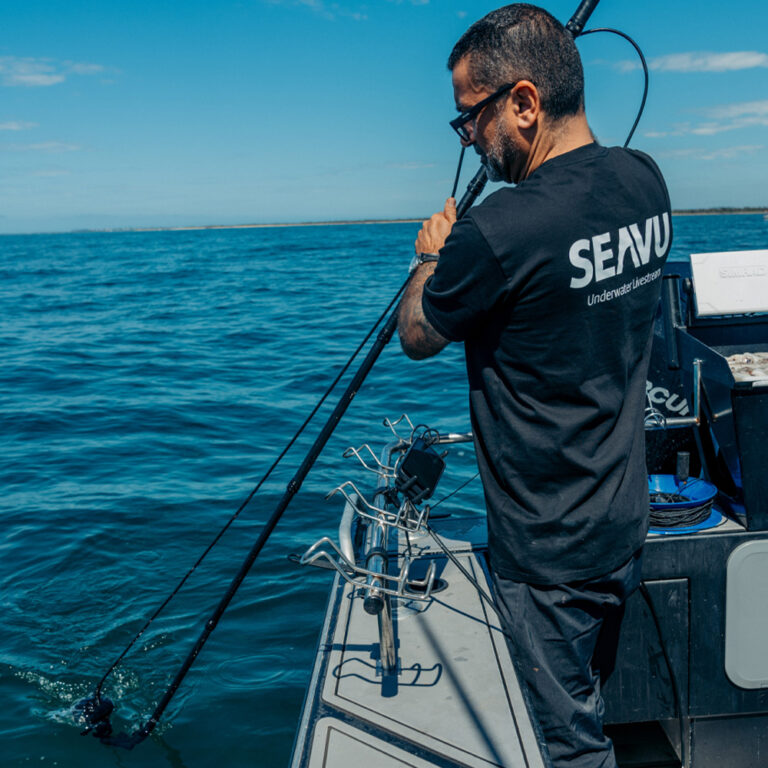
A practical look at underwater drones, their strengths and limits, plus simpler options for live underwater viewing
If you have been researching an underwater drone, you are not alone. These systems can be seriously impressive, especially when conditions are calm and visibility is good. However, they are not always the easiest way to get a useful live underwater view, particularly in current, surge, or busy marine environments.
Below is a practical guide to what an underwater drone does well, where it can be frustrating, which brands people look at most, and when a simpler setup can be the better choice.
If you want the technical term, most underwater drones are a type of remotely operated underwater vehicle, often shortened to ROV. You can read a simple overview here: https://en.wikipedia.org/wiki/Remotely_operated_underwater_vehicle
What an underwater drone does well
Underwater drones shine when you want movement and exploration. In the right conditions, they are great for:
- Exploring structure and reefs, because you can pilot around and change your viewing angle fast
- Searching an area, because you can scan and cover ground rather than holding one fixed view
- Filming moving shots, because you can create smooth underwater motion without getting in the water
- Getting eyes on hard to reach areas, when you need a quick look without diving
In other words, if you want to drive around underwater and discover what is there, an underwater drone can be a lot of fun.
Where underwater drones are not so good
This is the part most people only learn after buying. Underwater drones can be brilliant, but there are common real world pain points.
- It is easy to become disorientated
Once the drone is underwater, it can be surprisingly hard to tell which way is up, which direction you are facing, or how far you are from structure. This can make control feel awkward, especially in low visibility or when there is no clear reference point. - They require constant attention
To get useful footage, you generally need to keep piloting. That means an underwater drone often needs to be constantly manned, which makes it harder to do anything else at the same time, like handling rods, steering the boat, watching the sounder, or managing a deck. - Tether handling and tangles
Most underwater drones use a tether. That is normal, but it also means you have a cable to manage on deck and in the water. Around structure, it can snag. In current, it can pull your drone off line. - Current, surge, and wash
Even with strong thrusters, holding position in current can be hard work. If you are near a jetty, a mooring field, or behind a boat, you can spend more time fighting the conditions than actually looking at what you want to see. - Battery time versus real use
Battery claims can look great, but real sessions often include lights, repeated manoeuvres, and time spent setting up. Practical run time can feel shorter than expected. - Visibility limits everything
If the water is dirty, you will not see far, no matter how good the camera is. In low visibility, stability and lighting become more important than speed or range. - Cost can be high
A good underwater drone is not cheap, and costs add up quickly if you include spare batteries, extra tether, carrying cases, and repairs. For some people, that price makes sense. For others, it can be hard to justify if the drone only comes out a few times a year. - Setup time and storage
Underwater drones often come with reels, controllers, chargers, and cases. They can be amazing, but they are not always a quick grab and go option.
Camera quality, underwater drone cameras vs GoPro and DJI
One of the biggest surprises for many people is camera quality. Most underwater drones use a built in camera designed for live viewing and general recording. While some drone cameras look great, they do not always match the image quality you can get from a modern action camera.
- Low light and clarity
Underwater image quality is heavily affected by light. In deeper water, overcast conditions, or dirty water, a GoPro or DJI action camera can often produce cleaner footage, especially when paired with good underwater lighting. - Colour and balance
Modern action cameras have strong colour processing and stabilisation designed for everyday creators. That can mean more natural looking footage in the shallows and around reefs, compared to some underwater drone cameras that are tuned mainly for piloting visibility. - Upgrade path
With an action camera based system, you can upgrade the camera when new models release, without replacing your whole underwater viewing setup. With a drone, the camera is usually part of the drone, so upgrading often means replacing the entire unit. - What this means in practice
If your main goal is the best possible footage and a clear live view, action camera based systems can be a better fit. If your main goal is piloted movement and exploration, an underwater drone still has its place.
Popular underwater drone brands and models people compare
If you search underwater drone, these are some of the most common consumer brands and model families you will see.
CHASING
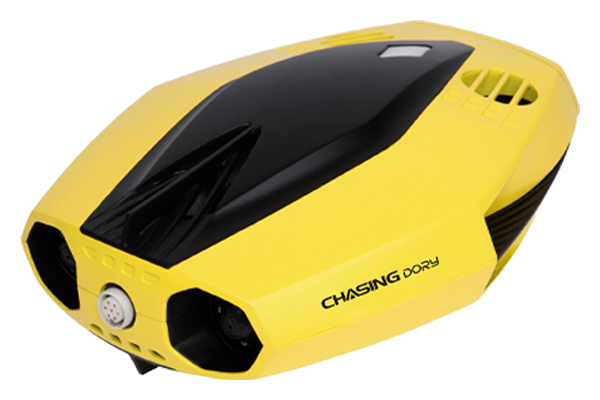
CHASING Dory, small and portable, entry level style option https://www.chasing.com/en/chasing-dory-overview.html
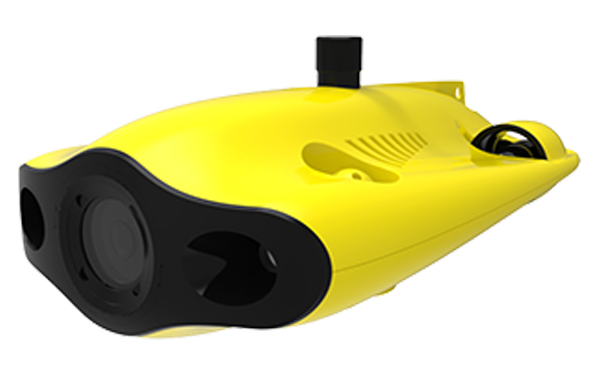
CHASING Gladius Mini S, popular all round consumer option https://www.chasing.com/en/mini-s.html
QYSEA FIFISH
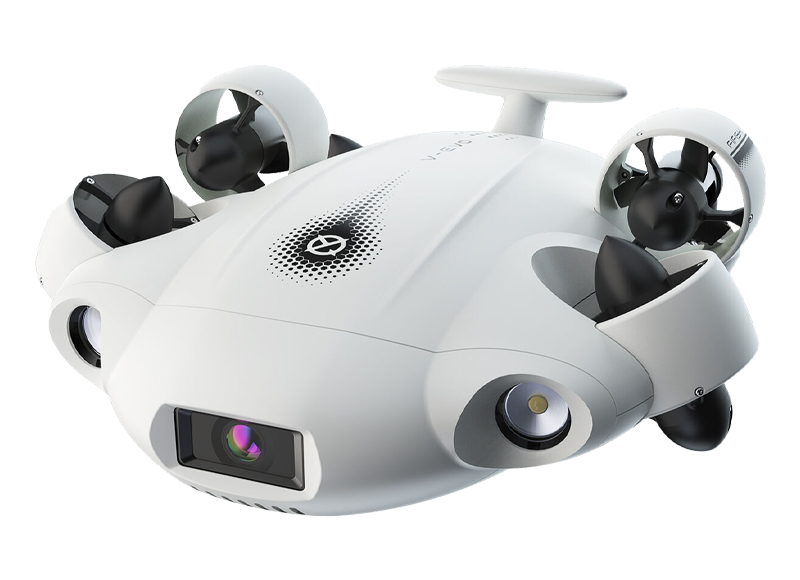
FIFISH V EVO, known for imaging and manoeuvrability https://www.qysea.com/fifish-v-evo/
PowerVision
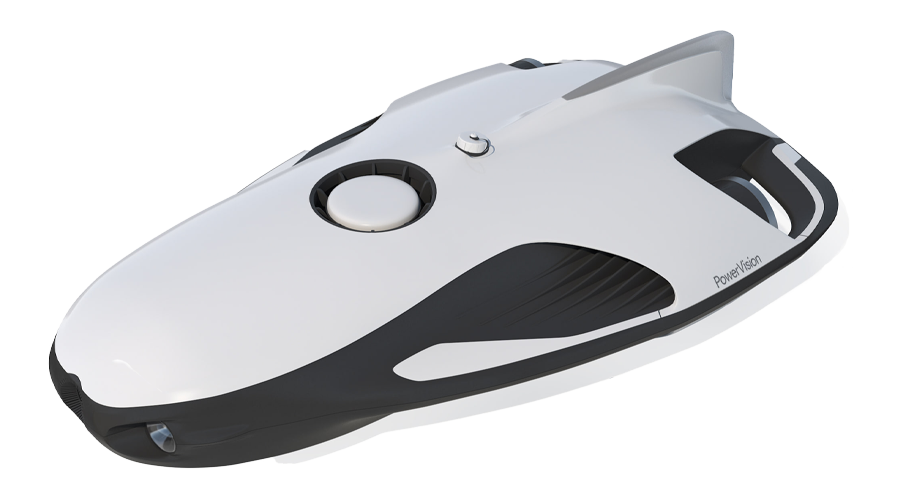
PowerRay https://powervision.me/en/product/powerray
When an underwater drone is the right choice
An underwater drone is usually the right tool if you:
- want exploration and piloted movement
- want moving shots rather than a stable fixed view
- regularly operate in calm conditions with good visibility
- enjoy the hands on control experience
If that is you, a drone can be genuinely rewarding.
The best alternatives when you mainly want a simple live underwater view
Many people like the idea of an underwater drone, but what they really want is a clear live view without piloting, without drift, and without tether management getting in the way. If your goal is to check something specific, a purpose built live viewing system can be simpler and more repeatable.
Seavu alternatives to an underwater drone
If an underwater drone feels like overkill, Seavu gives you a simpler way to get a clear live underwater view. Instead of piloting a drone, you deploy an action camera in a purpose built housing and watch the feed in real time, either on your phone or tablet, or on a larger screen with HDMI depending on the series you choose.
Seeker
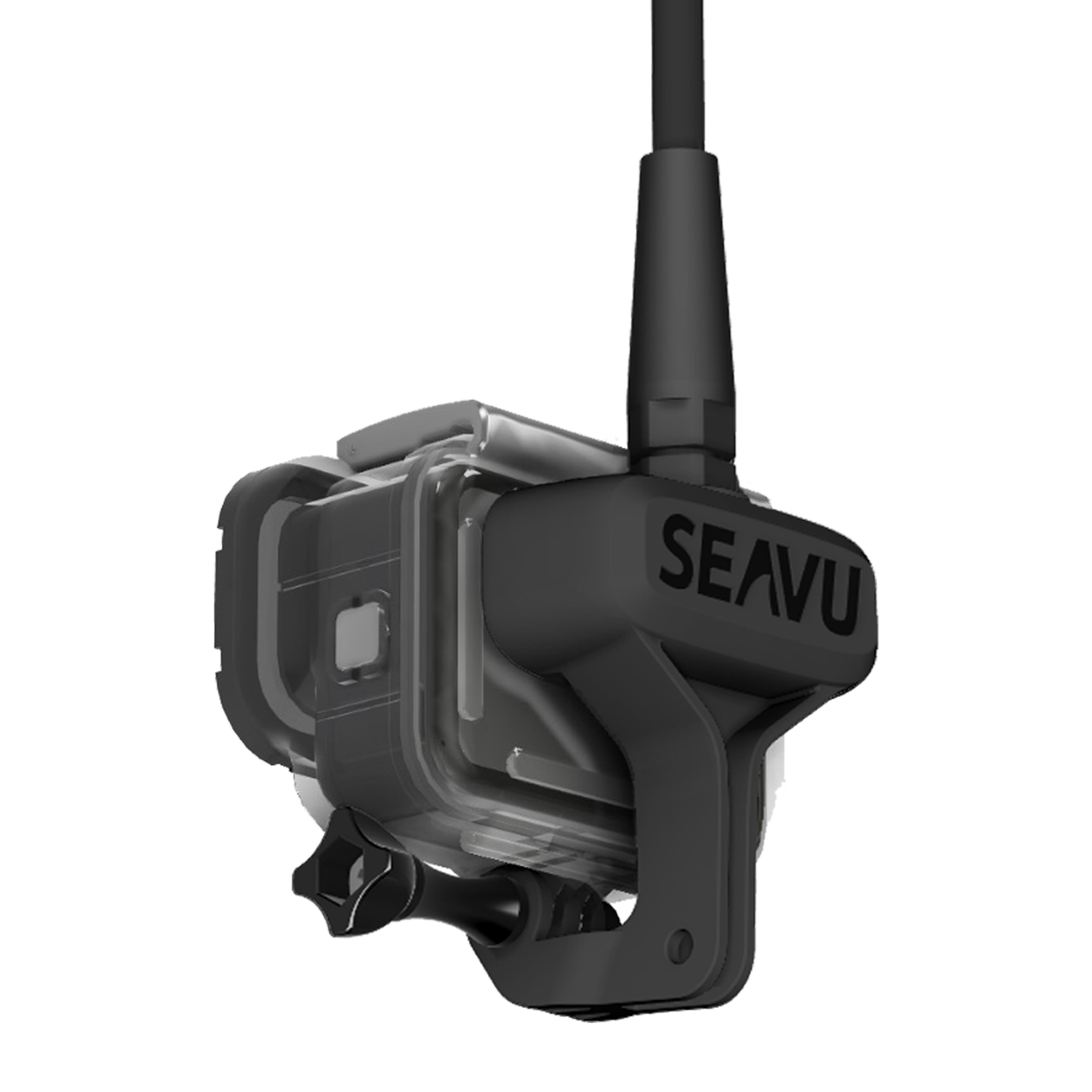
Built for live underwater viewing on a phone or tablet using WiFi above water, with a rugged marine setup designed for fishing, quick checks, and practical day to day use.
https://seavu.com/product/seeker-marine-kit/
Explorer
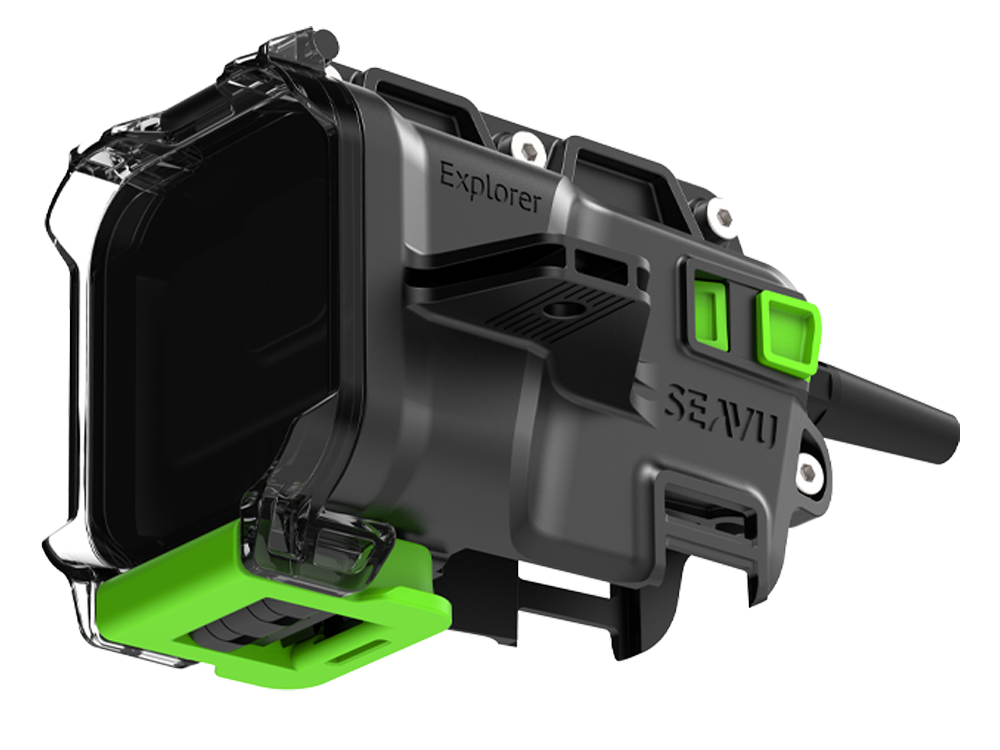
A compact underwater viewing series for live view on a phone or tablet, ideal when you want a portable setup that is fast to deploy. https://seavu.com/product/explorer-adventure-kit/
Explorer+
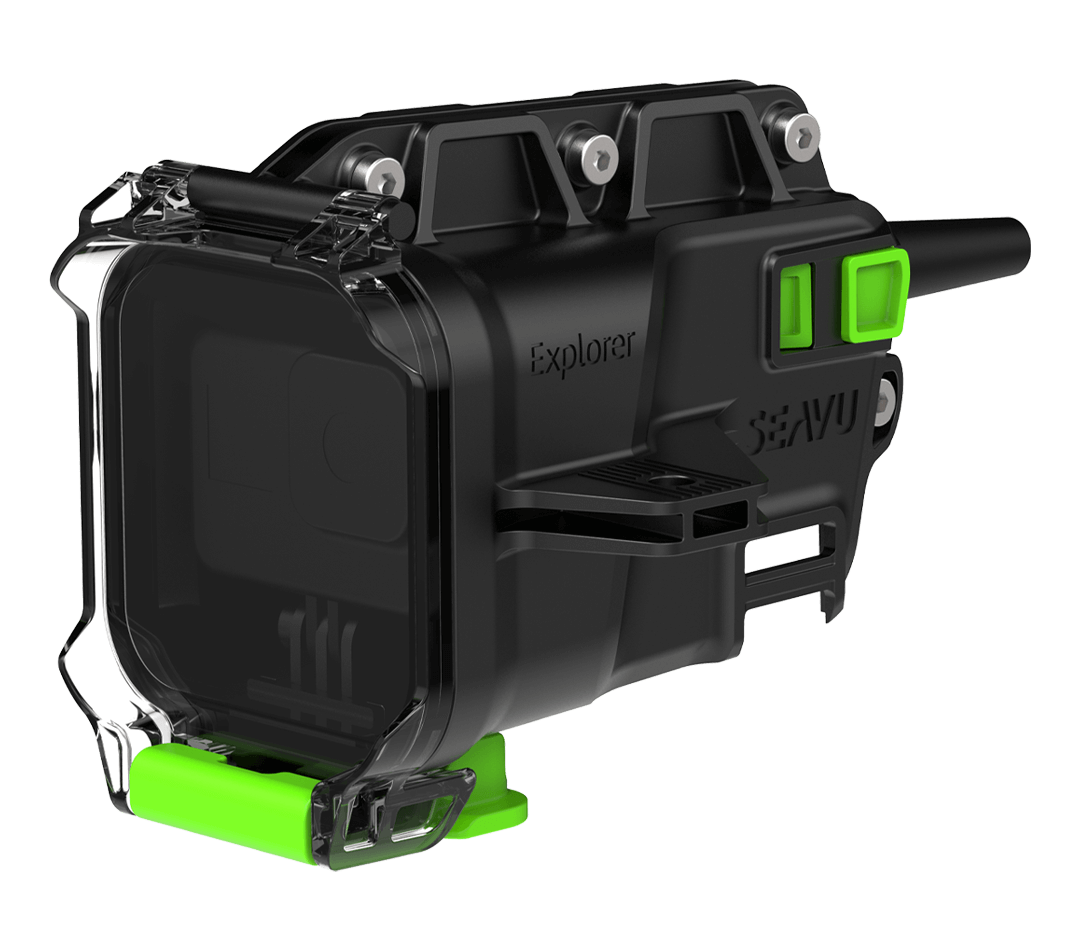
A DisplayPort based series designed for underwater video out workflows, including HDMI viewing to a TV, monitor, computer, or compatible marine display, using a sealed housing and long range cable system.
Explorer+ Adventure Kit: https://seavu.com/product/explorer-plus-adventure-kit/
Explorer+ Pro Kit: https://seavu.com/product/explorer-plus-pro-kit/
If you want to browse by activity, start here:
Fishing: https://seavu.com/underwater-activities/fishing/
Inspections: https://seavu.com/underwater-activities/inspections/
Quick decision guide
- Choose an underwater drone if you want exploration and piloted movement
- Choose Seeker Marine Kit if you want quick live viewing on a phone or tablet for fishing or inspections
- Choose Explorer+ Adventure Kit if you want stable HDMI live viewing on a larger screen with longer cable runs
Final thoughts
An underwater drone can be a brilliant piece of gear, as long as it matches your real use case. If you love exploration and you often have calm conditions, a drone is hard to beat.
On the other hand, if you mainly want a clear live view and strong camera quality for fishing, inspections, or watching underwater action on a screen, an action camera based live viewing system can be easier to deploy, easier to manage, and more reliable day to day.